

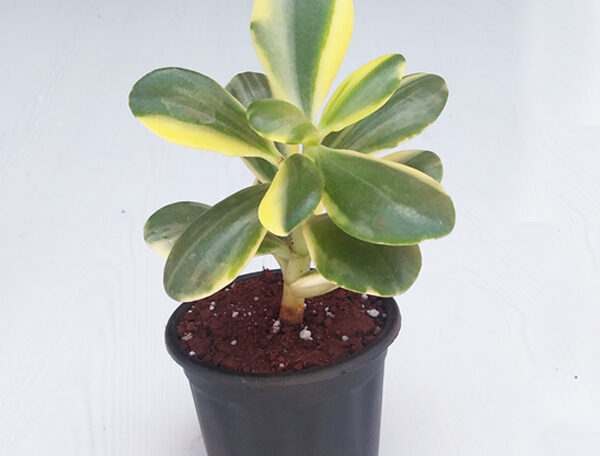
Variegated Jade Plant, Crassula ovata
Description for Variegated Jade Plant, Crassula ovata Plant height: 2 - 5 inches Plant spread: 3 - 5 inches Crassula ovata, commonly called jade plant, is a popular branched succulent indoor shrub. As it matures, its trunk-like succulent stems often take on the appearance of a miniature tree. Oblong, fleshy, shiny, evergreen leaves. Leaves may acquire red tints when grown in direct sun. The jade plant is an evergreen with thick, shiny, smooth leaves.Although becoming brown and appearing woody with age, stems never become true lignified tissue, remaining succulent and fleshy throughout the plant's life. Common name(s): Jade plant, Friendship tree Flower colours: - Bloom time: - Max reachable height: Up to 6 feet Difficulty to grow: Easy to grow Planting and care Crassula ovata flourishes when provided with plenty of sunlight. However, 4-6 hours of sunlight is also sufficient for it. It requires well-drained sandy to loamy soil. Make
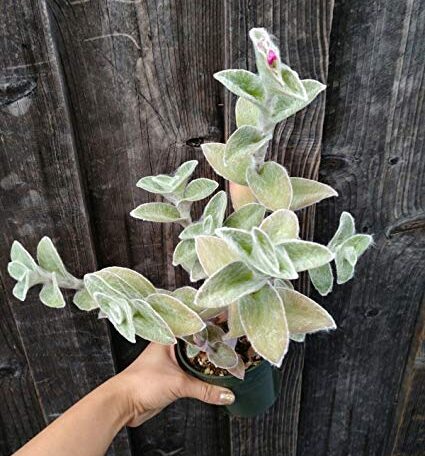
Tradescantia sillamontana
Description for Tradescantia Sillamontana Plant height: 3 - 6 inches Plant spread: 2 - 4 inches Growing Tradescantia is easy and you will find the plants to be quite resilient. Tradescantia typically grow in moist, well-drained and acidic soil. Tradescantia plants do best in partial shade but will do equally well in sunny areas as long as the soil is kept moist. Common name(s): White Gossamer Plant, Cobweb Spiderwort, Hairy Wandering Jew,White Velvet Flower colours: Pink Bloom time: - Max reachable height: Upto 30Cm Difficulty to grow: Easy Planting and care These plants like to be kept fairly moist, so water regularly, especially if you are growing them in containers. Sunlight: Partial sun, Requires shade Soil: Sandy soil Water: Medium Temperature: 15 to 30 degrees C
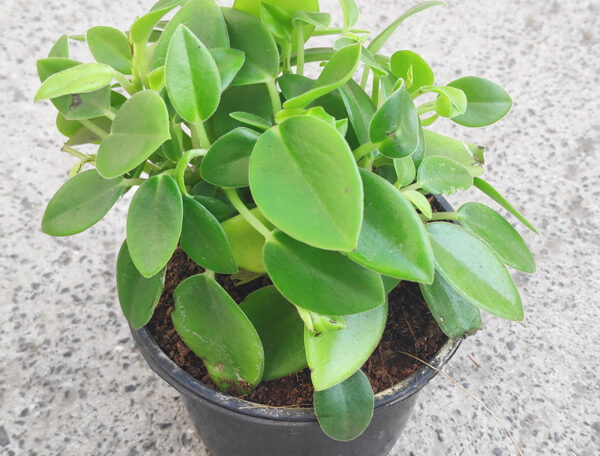
Teardrop Peperomia, Peperomia orba
Description for Teardrop Peperomia, Peperomia orba Plant height: 5 - 8 inches Plant spread: 4 - 8 inches Peperomia is a genus of more than 1000 species of small, compact perennial epiphytes growing on rotten wood, in the family Piperaceae. Peperomia is native to tropical America, with a few in Africa. It is also known as Radiator plant, Baby Rubber Plant, Emerald Ripple, or Wax Privet, and grown for its ornamental foliage, and sometimes for their flowers. Peperomia varies considerably in appearance from species to species, from threadlike, trailing stems to thick, fleshy, stout stems. The leaves, 2.5-10 cm long, are smooth and fleshy, oval with leafstalk at or near the center of the leaf blade, or heart-shaped or lance-shaped, with some species have red petioles. The leaves can be solid green or variegated with stripes, marbled or bordered with pale green, red or gray. The inconspicuous, tiny flowers are
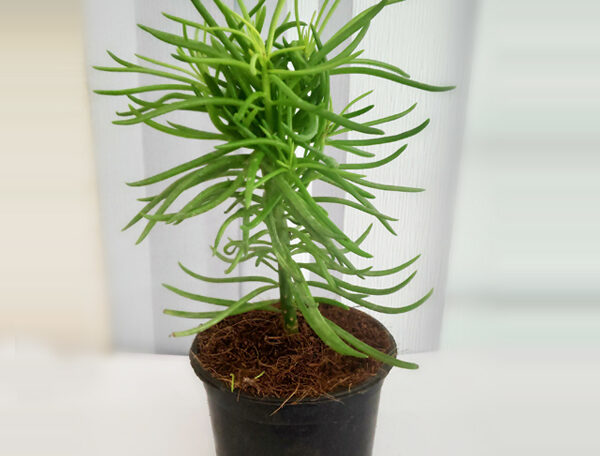
Succulent Bush Senecio, Senecio barbertonicus
Description for Succulent Bush Senecio, Senecio barbertonicus Plant height: 3 - 6 inches Plant spread: 4 - 8 inches It is an evergreen, succulent bush up to 6 feet (1.8 m) tall and wide, with a fleshy, cylindrical, finger-like, light green leaves that point upwards along the branches and are crowded toward stem tips, up to 4 inches (10 cm) long and 0.4 inch (1 cm) in diameter. The flowers are yellow, up to 3 inches (7.6 cm) long and 0.4 inch (1 cm) in diameter. Common name(s): Succulent bush senecio Flower colours: Yellow Bloom time: Summer Max reachable height: 5 inches Difficulty to grow: Easy to grow Planting and care This plant can be grown from leaf cuttings. Pull a leaf from the main stem, leave it to dry for a day, then place it on the surface of the growing medium. The growing medium should be light and
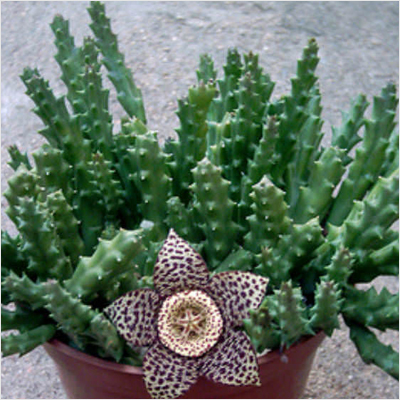
Stapelia variegata
Description for Stapelia variegata Plant height: 1.9 - 3 inches Plant spread: The star-shaped flowers are most unusual and attractive, and in some varieties are sweetly scented. However, the flowers of Stapelia variegata have an unpleasant, although not overpowering, odour. The odour is similar to that of rotting meat, and attracts the blowflies which pollinate the flowers. Common name(s): Starfish Plant, Starfish Cactus. Flower colours: Maroon (Purple-Brown), Brown/Bronze Bloom time: Mid Summer Max reachable height: 10 cm. Difficulty to grow: Easy to grow. Planting and care Sunlight: Full sun to partial shade. Soil: soil pH 7.6 to 7.8 (mildly alkaline), 7.9 to 8.5 (alkaline) Water: Water sparingly at all times, especially in cold weather, as too much moisture causes rot. Temperature: minimum 27 degrees F. Fertilizer: Feed once or twice during the summer with a dilute solution of a standard liquid fertilizer. Caring for Stapelia variegata Repot your plant in
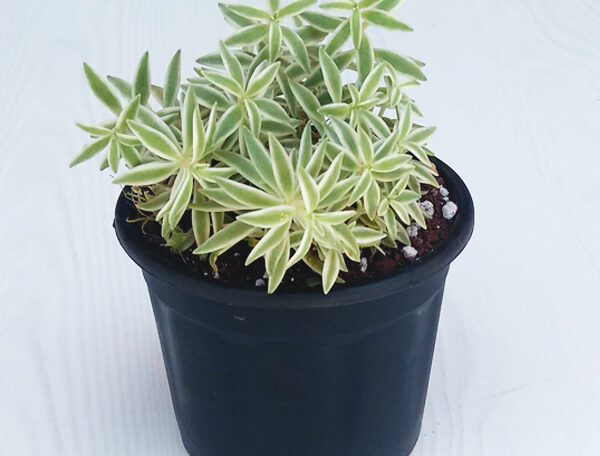
Silver Sedum, Sedum lineare
Description for Silver Sedum, Sedum lineare Plant height: 2 - 5 inches Plant spread: 3 - 5 inches Leaves narrowly ovate, fleshy, grey-green with creamy-white margins, young leaves are more upright before descending under the weight of slightly pinkish stems. Yellow flower, occasionally produced in low tight cymes held slightly above the foliage. These are slow-growing succulents Sedum is a perennial plant with thick, succulent leaves, fleshy stems, and clusters flowers. Common name(s): Variegated Star Sedum, Creme & Green Carpet Sedum, Variegated Stonecrop, Variegated Carpet Sedum Flower colours: Yellow Bloom time: Late Summer to Early Fall Max reachable height: Up to 0.15 m Difficulty to grow: Easy to grow Planting and care Plant sedum seeds in early spring in well-drained, average to rich soil. Space plants between 6 inches and 2 feet apart, depending on the variety. It can tolerate partial shade but do best in full sun. Its propagation
Senecio vitalis Blue
Description for Senecio Vitalis Blue Plant height: 3 - 6 inches Plant spread: Tolerates light shade, but best performance is in full sun. Established plants have good drought tolerance. Performs poorly in heavy clay soils. Wet, poorly-drained soils in winter are usually fatal. If desired, prune plants after bloom to encourage dense foliage growth. Common name(s): rosemary-tuscan blue,italian,narrow leaf chalksticks Flower colours: Dark blue Bloom time: Seasonal bloomer Max reachable height: 3.00 to 6.00 feet Difficulty to grow: easy to grow Planting and care The deep planting encourages the developing stem to send out roots to help stabilize the plant and perhaps eliminate the need for staking. Also, deep planting keeps Bangada bulbs cool when temperatures soar. Enrich the soil with leaf mold or well-rotted organic matter to encourage good drainage. Sunlight: Full sun Soil: well-drained soil Water: Dry to medium Temperature: 30 to 40F Fertilizer: Apply any organic fertilizer

Senecio serpens
Description for Senecio Serpens Plant height: 0.5 - 0.8 inches Plant spread: 2 - 4 inches It is indigenous to southern Africa. It needs little water, and is thus one of the many plants suggested for cultivation. Senecio serpens is a small, evergreen, succulent perennial, branching from the base and rooting along the stems, up to 8 inches (20 cm) tall and up to 40 inches (1 m) wide. The prostrate stems hold short, sub-cylindrical, powdery blue-grey to blue-green finger-like fleshy leaves. The small flowers are white in color. Common name(s): Blue Chalksticks Flower colours: White Bloom time: Early July Max reachable height: Up to 1 foot Difficulty to grow: Easy to grow Planting and care Senecio serpens is a small succulent that hugs the ground, branching from the base and rooting along the stems. This ground cover is one of the most valuable landscaping succulents. Forming a dense rippling
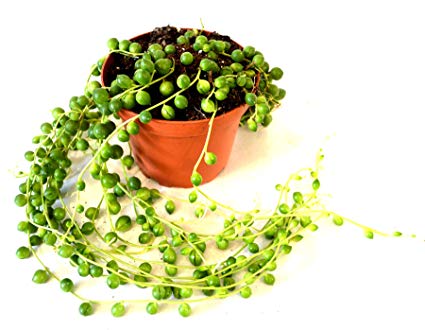
Senecio rowleyanus, String of Pearls
Description for Senecio Rowleyanus, String of Pearls Plant height: 3 - 6 inches Plant spread: Interesting Fact: This plant is given the name String of Pearls for its pearl like spherical leaves and the pattern they form. Senecio rowleyanus is a perennial succulent, grow up to 3 feet in height, trailing stems, lined with small spherical green color leaves. Each leaf has a longitudinal translucent stripe. Flowers are small, white, brush-like on long peduncles. Common name(s): String of Pearls, String of Beads, String of Peas Flower colours: Pale yellow Bloom time: Spring to Fall Max reachable height: Up to 3 feet Difficulty to grow: Easy to grow Planting and care Stem cuttings can be used for the propagation of this succulent. Re-pot when the plant performs clump and goes beyond the pot size. It should be done before or after the rainy season and in the spring season. Re-pot with
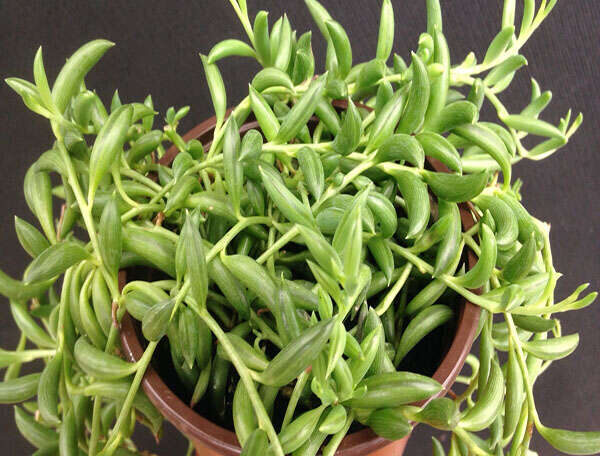
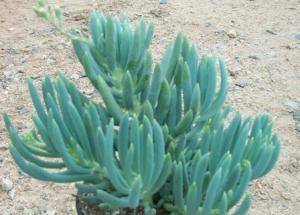
Senecio mandraliscae
Description for Senecio Mandraliscae Plant height: 0.5 - 0.8 inches Plant spread: 2 - 4 inches Slender-Leaf Senecio is a slender, hairless, much-branched annual herb, usually about 15-45 cm tall. The leaves are stalkless and pinnately cut. This is such a useful succulent. The linear foliage gives the garden a shot of blue all year long. The texture & color combine well with many plants. Try it with Asclepias currassavica Silky Gold for a blue & yellow garden or combine with lime green Crassula lycopodiodes for a cool color scheme. Grows to about 1 inch high & about 3 inch wide. Clip to keep compact. The flowers are inconspicuous, but S. madraliscae makes an excellent foliage plant. It can be grown as a trailing plant in a container. Common name(s): Senecio tenuifolius,Fish Hook Sedum, Blue Chalk Sticks, Blue finger, Bluefinger, Blue stick succulent Flower colours: Green Bloom time: Spring and
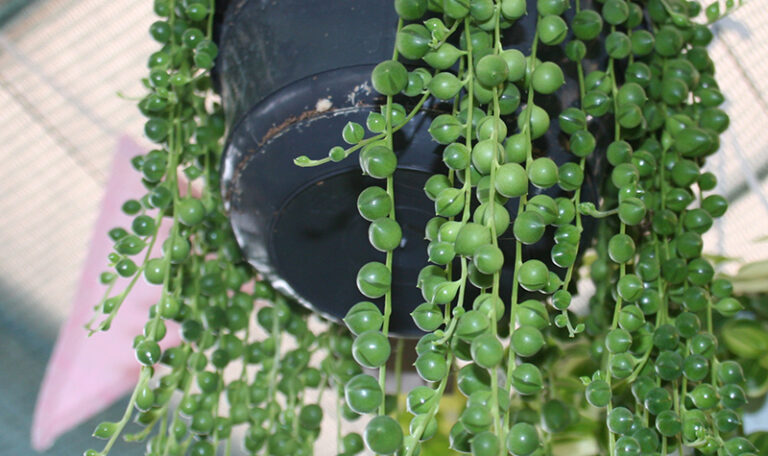
Senecio herreianus
Description for Senecio Herreianus Plant height: 5 - 8 inches Plant spread: Senecio herreianus is a succulent plant, similar to the more common Curio rowleyanus, with trailing stems of oval pointed, bead like, green leaves, up to 0.4 inch (10 cm) with vertical, translucent lines or photosynthetic windows. The flowers are small, white to near white, brush like on long peduncles. Winter hardy to USDA Zones 9-12. Intolerant of frost. In St. Louis, plants must be brought indoors prior to first fall frost date for overwintering. This plant is best grown in a dry, sandy, well-drained, cactus-type potting mix in part shade. Allow roots to dry out between waterings. Common name(s): String of Beads, Gooseberry Plant, Melon Vine, Green marble Flower colours: White Bloom time: Seasonal bloomer Max reachable height: 1.00 to 2.00 feet Difficulty to grow: easy to grow Planting and care Plant bulbs in autumn. Plants do not
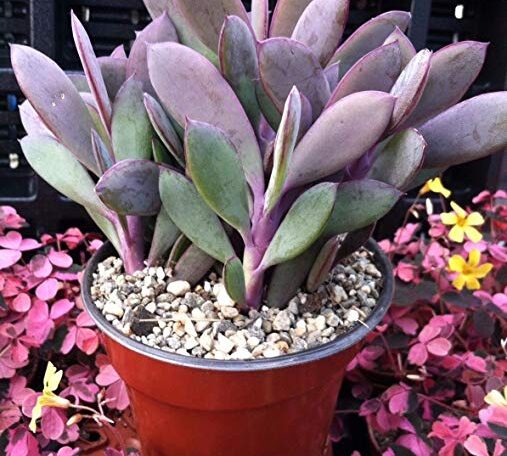
Senecio crassissimus
Description for Senecio crassissimus Plant height: 0.5 - 0.8 inches Plant spread: 2 - 4 inches Senecio crassissimus is evergreen leaf-succulent Leaves are the vertical manner of silver-grey waxy appearance laterally positioned purple circumference flattened fleshy leaves. It has thick erect stems produce bright yellow daisy-like flowers at the tip of the plant during mid-summer to autumn. Common name(s): Senecio crassissimus, Kalanchoe crassissimus, Vertical leaf senecio, Propeller plant Flower colours: Yellow Bloom time: Summer to Autumn Max reachable height: Up to 2 ft Difficulty to grow: Easy to grow Planting and care Plant succulent where it receives several hours of bright sunlight but is protected during the hottest part of the day. Avoid total shade, which causes the plant to become long and spindly. Sunlight brings out the intense red leaf edges. Sunlight: Full sunlight

Sedum spurium Voodoo, Dragon blood
Description for Sedum Spurium Voodoo, Sedum Spurium Dragon's blood It is a great plant to grow to attract honeybees and butterflies to the garden; it is resistant to rabbits and deer; looks good in a rock garden, at the front of borders, or in a container; helps to maintain soil structure; and is drought tolerant. Common name Flower colours Bloom time Height Difficulty Caucasian stonecrop Pink August to September 0.25 to 0.50 feet easy to grow Planting and care Sedum spurium prefers a hot, dry, sandy, poor soil. Does not tolerate excessive moisture so good drainage is essential; it may be necessary to grow on a slope. In the spring, place the seeds in a compost containing container, wrap in a plastic bag and refrigerate for three weeks. Next, plant the container into the ground in a shady location beneath glass. Transplant seedlings to their final location as they emerge.

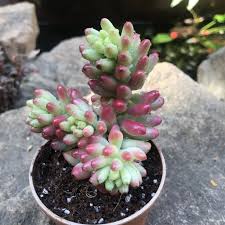
Sedum rubrotinctum Aurora
Description for Sedum Rubrotinctum Aurora Plant height: 0.5 - 0.8 inches Plant spread: 2 - 4 inches The jelly bean plant, also called pork and beans, is an interesting succulent plant that displays jelly beanlike leaves. In the summertime, its leaves change from green to bright red, and it bears yellow flowers in the springtime. Grows up to 6 inches (15 cm) tall and spreads up to 36 inches (90 cm) wide producing yellowish-white flowers in the summer standing above the pink and cream flushed foliage. Common name(s): Pink Jelly Bean, Pink Stonecrop Flower colours: Pink Bloom time: May Max reachable height: Up to 6 inches Difficulty to grow: Easy to grow
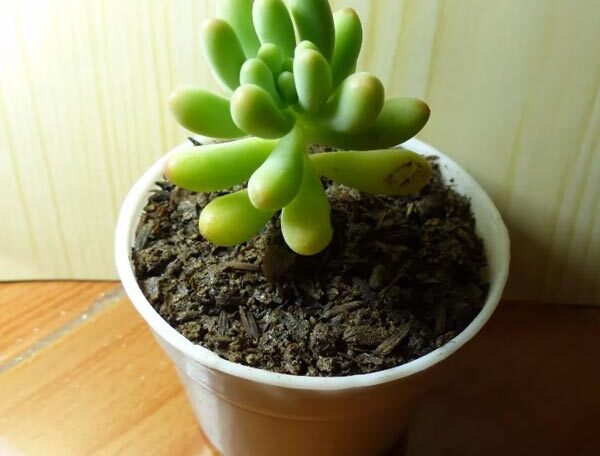

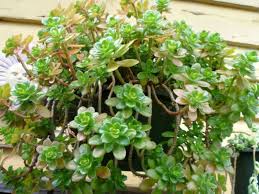
Sedum confusum
Description for Sedum Confusum Plant height: 0.5 - 0.8 inches Plant spread: 2 - 4 inches Sedum confusum is a sprawling ground cover which forms a foliage mat spreading by trailing stems. Features succulent, shiny, bright green leaves which typically form rosettes at the ends of stems rising to 10" tall. Clusters of yellow, star-like flowers appear in summer. Sedum confusum is appropriately possessed of uncommon qualities. Unlike ivy, gazania and ice-plant, it does not get woody and does not build thatch. The fleshy oval dark green leaves concentrate toward the tips of arching branches, forming lush mounds. Common name(s): Lesser Mexican stonecrop Flower colours: Yellow Bloom time: April Max reachable height: 0.25 to 0.75 feet Difficulty to grow: Easy to grow Planting and care Plant sedum seeds in early spring in well-drained, average to rich soil in full sun. Space the plants between 6 inches and 2 feet apart,
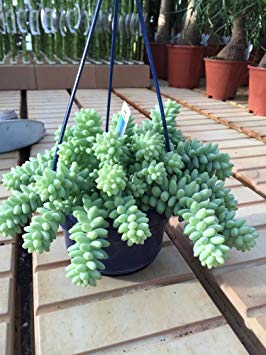
Sedum Burrito
Description for Sedum Burrito Plant height: 5 - 8 inches Plant spread: Sedum morganianum is a species of flowering plant in the family Crassulaceae, native to southern Mexico and Honduras. Common name(s): Donkey tail, burro's tail Flower colours: Pink to red Bloom time: Annual Max reachable height: 60 cm (24 in) Difficulty to grow: Moderately easy Planting and care Plant sedum seeds in early spring in well-drained, average to rich soil in full sun. Space the plants between 6 inches and 2 feet apart, depending on the type. Low-growing and vigorous species will tolerate partial shade. You can also plant divisions or cuttings instead of seeds. Dig a hole so that the top of the root ball is level with the surface, then place the plant in the hole and fill it in. Sunlight: Full Sun to Partial Shade Soil: Well-drained sandy soil Water: Medium Temperature: 5 to 7 degrees
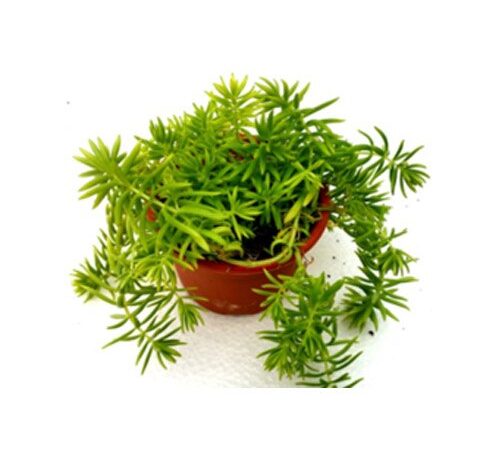
Sedum Angelina (Green)
Description for Sedum Angelina (Green) Plant height: 0.5 - 0.8 inches Plant spread: 2 - 4 inches Sedum rupestre Angelina easily grown in average, dry to medium, well-drained soils in full sun. Tolerates some light shade. Also tolerates drought and heat. Thrives in sandy to gravelly soils of moderate to low fertility. Common name(s): Stonecrop, Crooked Yellow Stonecrop Flower colours: Green Bloom time: June to August Max reachable height: 0.25 to 0.50 feet Difficulty to grow: Easy to grow Planting and care Plant sedum seeds in early spring in well-drained, average to rich soil in full sun. Space the plants between 6 inches and 2 feet apart, depending on the type. Low-growing and vigorous species will tolerate partial shade. You can also plant divisions or cuttings instead of seeds. Dig a hole so that the top of the root ball is level with the surface, then place the plant in
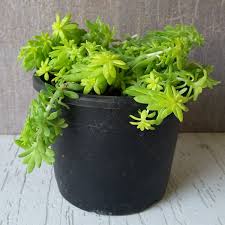
Sedum Angelina (Golden)
Description for Sedum Angelina (Golden) Plant height: 0.5 - 0.8 inches Plant spread: 2 - 4 inches Sedum rupestre Angelina easily grown in average, dry to medium, well-drained soils in full sun. Tolerates some light shade. Also, tolerates drought and heat. Thrives in sandy to gravelly soils of moderate to low fertility. Angelina is a yellow leaved cultivar featuring spiky yellow leaves that often sport ginger brown tips. Clusters of yellow starry flowers appear during the summer. Common name(s): Stonecrop, Crooked Yellow Stonecrop Flower colours: White to Yellow Bloom time: June to August Max reachable height: Up to 6 inches Difficulty to grow: Easy to grow Planting and care Plant sedum seeds in early spring in well-drained, average to rich soil in full sun. Space the plants between 6 inches and 2 feet apart, depending on the type. Low-growing and vigorous species will tolerate partial shade. You can also plant
Sedum adolphii
Description for Sedum Adolphii Plant height: 5 - 8 inches Plant spread: Pink Sedum is a perennial of dry areas, with spreading stems, 8-75 cm tall. Bluish green, flat, fleshy, ovate leaves have somewhat wavy margins. Common name(s): Pink Sedum, Pink stonecrop Flower colours: Pink Bloom time: July-September Max reachable height: 3-6 feet Difficulty to grow: Easy to grow Planting and care When growing sedum, keep in mind that sedum plants need very little attention or care. They will thrive in conditions that many other plants thrive in, but will do just as well in less hospitable areas. They are ideal for that part of your yard that gets too much sun or too little water to grow anything else. A common name for sedum is stonecrop, due to the fact that many gardeners joke that only stones need less care and live longer. Sunlight: Full Sun to Partial Shade
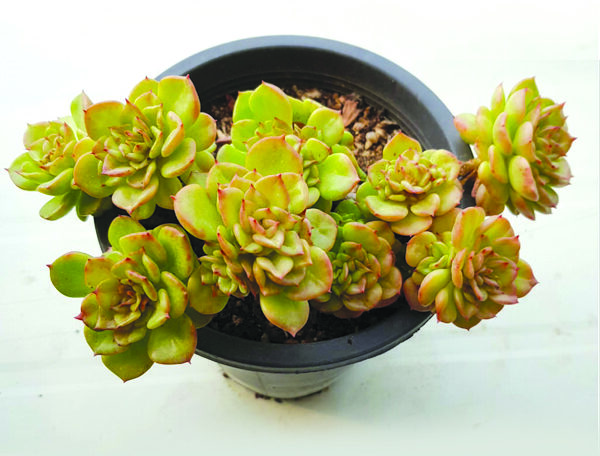
Sedeveria Rolly
Description for Sedeveria Rolly Plant height: 2 - 5 inches Plant spread: 2 - 4 inches Sedeveria succulents are easy-care favorites in rock gardens. Sedeveria plants are lovely small succulents resulting from a cross between two other types of succulents, Sedum and Echeveria. Sedeveria succulents have two outstanding qualities that make them popular with gardeners, they are absolutely lovely and they require very little maintenance. Sedevaria plant care is minimal. These hybrids present delightful rosettes that look like flowers but in shades of green, silver green and blue-green. The leaves that make up the rosettes are thick and look padded. Common name(s): Sedeveria Rolly Flower colours: Yellow and Red Bloom time: Spring-Summer Max reachable height: 5-6 inches Difficulty to grow: Easy to grow. Planting and care Sedeveria Rolly is easily planted, simply laying the plant on the ground where you want it to grow is normally enough to get the

Sedeveria Pink
Description for Sedeveria Pink Plant height: 3 - 6 inches Plant spread: Good tolerance for drought and heat. Best grown in a sheltered location in the St. Louis area where plants may not be reliably winter hardy. Protect in winter. Plants spread along the ground sometimes rooting as they go to form an attractive ground cover. Common name(s): Succulent Plug, Sedeveria Pink, Succulents Sedeveria, Succulent Plants, Pink Granite, Hardy Succulents, Cacti Flower colours: Pink Bloom time: June to September Max reachable height: 0.25 to 0.50 feet Difficulty to grow: Easy to grow Planting and care The deep planting encourages the developing stem to send out roots to help stabilize the plant and perhaps eliminate the need for staking. Also, deep planting keeps Bangada bulbs cool when temperatures soar. Enrich the soil with leaf mold or well-rotted organic matter to encourage good drainage. Sunlight: Full sun Soil: Well-drained soil Water: Dry
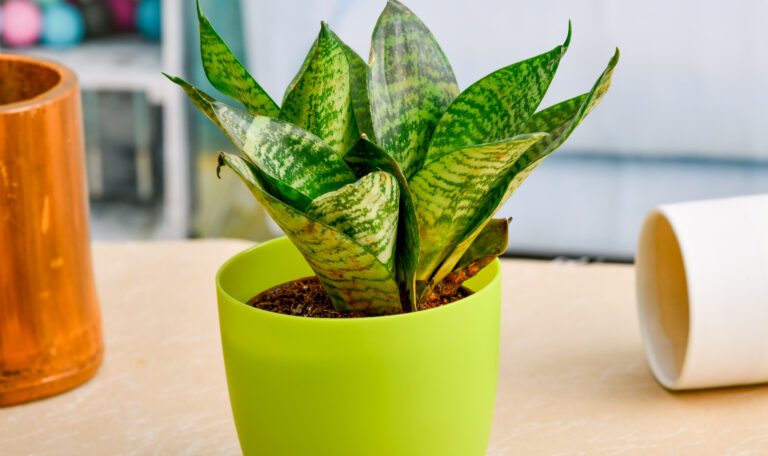
Sansevieria trifasciata Hahnii, Snake Plant (Small)
Description for Sansevieria trifasciata Hahnii, Snake Plant (Small) Plant height: 3 - 5 inches Plant spread: 3 - 5 inches It is an evergreen herbaceous perennial plant forming dense stands, spreading by way of its creeping rhizome, which is sometimes above ground, sometimes underground. Its stiff leaves grow vertically from a basal rosette. It is tough, durable and highly tolerant of low light and poor soil conditions. The tall, narrow, sturdy leaves are stiff and pointed. Colors include dark green, pale green, green edged with yellow, and variegated light green and yellow. Some species send up delicate flower spikes. The Sansevieria is the perfect addition to any indoor garden setting. With over sixty different varieties to choose from, everyone is sure to find the perfect match for their taste. It is an evergreen herbaceous perennial plant forming dense stands, spreading by way of its creeping rhizome, which is sometimes above
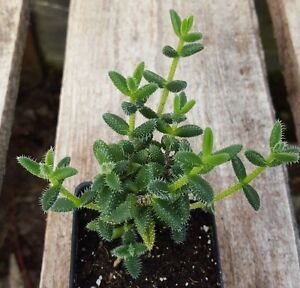
Pickle cactus, Delosperma echinatum
Description for Pickle cactus, Delosperma echinatum Plant height: 0.5 - 0.8 inches Plant spread: 3 - 5 inches Delosperma echinatum is a low shrubby sprawling succulent shrub, can grow up to 45 cm tall, with thin wiry stems has pairs of 2.5 cm long barrel-shaped green leaves, bristle with soft spine-like white hairs. Common name(s): Pickle Plant, Ice Plant Flower colours: Pale yellow Bloom time: Spring to Fall Max reachable height: Up to 45 cm Difficulty to grow: Easy to grow Planting and care Re-pot when the plant performs clump and goes beyond the pot size. It should be done before or after the rainy season and in the spring season. Re-pot with the following proportions: 3 parts of potting soil, 1 part of grit (pumice), 1 part of the horticultural-grade sand, 1/2 part of the compost etc. Sunlight: Full sun, partial sun, at least 4 to 6 hours of

Pereskia corrugata
Description for Pereskia corrugata Plant height: 3 - 6 inches Plant spread: Pereskia, as traditionally circumscribed, is a genus of 17 tropical species and varieties of cacti that do not look much like other types of cacti, having substantial leaves and thin stems. They originate from the region between Brazil and Mexico. Common name(s): Barbados gooseberry, blade-apple cactus, leaf cactus, rose cactus, and lemonvine Flower colours: Red, purple, pink, white Bloom time: Seasonal bloomer Max reachable height: 0.75 to 1.00 feet Difficulty to grow: Easy Planting and care Mound, mulch, or add compost after a few frosts but before the ground freezes. Sunlight: Full sun Soil: Loamy soil Water: Keep soil moist throughout the growing season, Water the plant once a week Temperature: 20 to 40 degrees C Fertilizer: Use any organic fertilizer Caring for Pereskia corrugata Stop fertilizing 6 weeks before the first frost but continue watering during dry

Peperomia rubella
Description for Peperomia rubella Plant height: 7 - 12 inches Plant spread: This evergreen, sometimes succulent houseplants may be either rosette-forming or erect with trailing stems. Peperomia rubella is upright and branching, becoming untidy with age, light to dark green leaves, red below, creating a copper tint to the foliage. Though peperomia produce greenish- white, panicle-like flower spikes. Common name(s): Peperomia, Baby rubber plant, Pepper Face Flower colours: Greenish-white Bloom time: Summer Max reachable height: Up to 10 inches Difficulty to grow: Easy to grow Planting and care Most Peperomia species can be relatively easily propagated from leaf cuttings. Remove large leaves with their stalks (petioles) and bury in seedling starting soil. Use of a rooting hormone can increase odds of success. Place the cutting in a warm, bright place until new growth emerges. Sunlight: Full to partial sunlight Soil: A loose, well-drained, very rich potting mix. Water: Moderately Temperature:
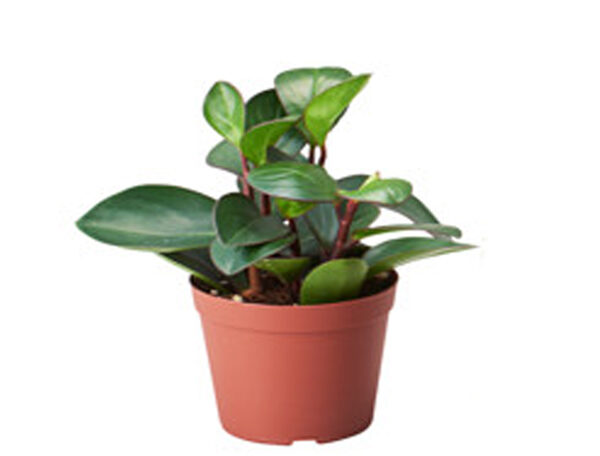
Peperomia orba
Description for Peperomia Orba Plant height: 1.2 - 1.9 inches Plant spread: 3 - 5 inches The palmate pattern of leaf veins is marked out in some species as furrows in the leaves or as colored lines. Most Peperomias have tiny flowers which are packed into a characteristic greenish or brown conical spike (spadix) like an inverted catkin. A few species have more attractive flowers such as the white, scented clusters of spikes produced by Peperomia fraseri from Ecuador. Common name(s): Peperomia Flower colours: The plant do not have distinguished flower and the plant displays dark green texture Bloom time: - Max reachable height: 12 inches Difficulty to grow: Easy Planting and care Most Peperomia species can be relatively easily propagated from leaf cuttings, similar to the way African violets are propagated. Remove large leaves with their stalks (petioles) and bury in seedling starting soil. Use of a rooting hormone

Peperomia obtusifolia Variegated
Description for Peperomia Obtusifolia Variegated (Small) Plant height: 1.2 - 1.9 inches Plant spread: 3 - 5 inches The palmate pattern of leaf veins is marked out in some species as furrows in the leaves or as colored lines. Most Peperomias have tiny flowers which are packed into a characteristic greenish or brown conical spike (spadix) like an inverted catkin. Flowers are interesting but not particularly showy. Many variegated cultivars with foliage that is mottled with cream, gray or gold. Common name(s): Peperomia, Baby rubber plant, Pepper Face Flower colours: Greenish-white Bloom time: Spring and Autumn Max reachable height: 12 inches Difficulty to grow: Easy to grow Planting and care Most Peperomia species can be relatively easily propagated from leaf cuttings, similar to the way African violets are propagated. Remove large leaves with their stalks (petioles) and bury in seedling starting soil. Use of a rooting hormone can increase odds
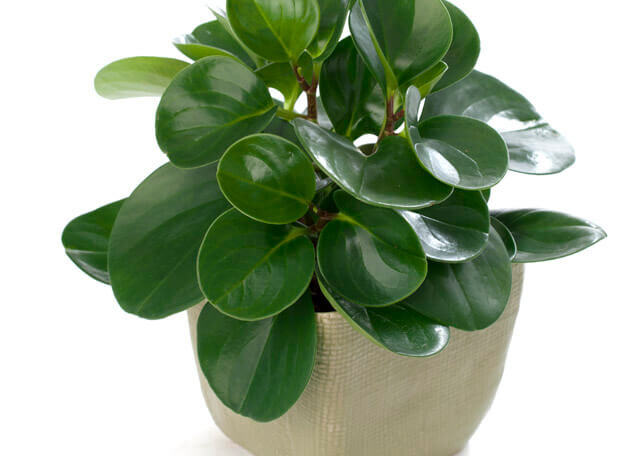
Peperomia obtusifolia
Description for Peperomia Obtusifolia (Small) Plant height: 1.2 - 1.9 inches Plant spread: 3 - 5 inches The palmate pattern of leaf veins is marked out in some species as furrows in the leaves or as colored lines. Most Peperomias have tiny flowers which are packed into a characteristic greenish or brown conical spike (spadix) like an inverted catkin. As a houseplant, it typically grows on thick erect stems. Flowers are interesting but not particularly showy. Common name(s): Peperomia, Baby rubber plant, Pepper Face Flower colours: Greenish-white Bloom time: Spring and Autumn Max reachable height: 12 inches Difficulty to grow: Easy to grow Planting and care Most Peperomia species can be relatively easily propagated from leaf cuttings, similar to the way African violets are propagated. Remove large leaves with their stalks (petioles) and bury in seedling starting soil. Use of a rooting hormone can increase odds of success. Place the

Pachyveria scheideckeri
Description for Pachyveria scheideckeri Plant height: 0.5 - 0.8 inches Plant spread: 2 - 4 inches It has loose bluish rosettes. The flower colour is variable according to seasons or nearby growing conditions. Common name(s): Scheideckeri, Jeweled crown Flower colours: Not defined Bloom time: Not defined Max reachable height: Up to 6 inches Difficulty to grow: Easy to grow Planting and care Re-pot when the plant performs clump and goes beyond the pot size. It should be done before or after the rainy season and in the spring season. Re-pot with the following proportions: 3 parts of potting soil, 1 part of grit (pumice), 1 part of the horticultural-grade sand, 1/2 part of the compost etc. Sunlight: Full sun, partial sun, at least 4 to 6 hours of sunlight per day.
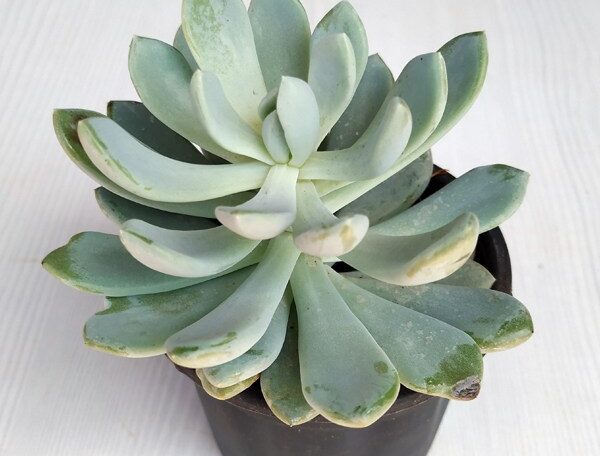
Pachyveria clavata
Description for Pachyveria clavata Plant height: 2 - 5 inches Plant spread: 3 - 5 inches It is a beautiful, hybrid succulent up to 8 inches (20 cm) tall. The leaves are grey green, elongated to spatulate, almost flat, up to 4 inches (10 cm) long and up to 1.2 inches (3 cm) in the upper half. The flowers, which appear atop up to 10 inches (25 cm) long stems, have reddish petals surrounded by fleshy sepals the same color as the foliage. Common name(s): - Flower colours: Red Bloom time: Summer Max reachable height: 8 inches Difficulty to grow: Easy to grow Planting and care This plant can be grown from leaf cuttings. Pull a leaf from the main stem, leave it to dry for a day, then place it on the surface of the growing medium. The growing medium should be light and well drained, you can use
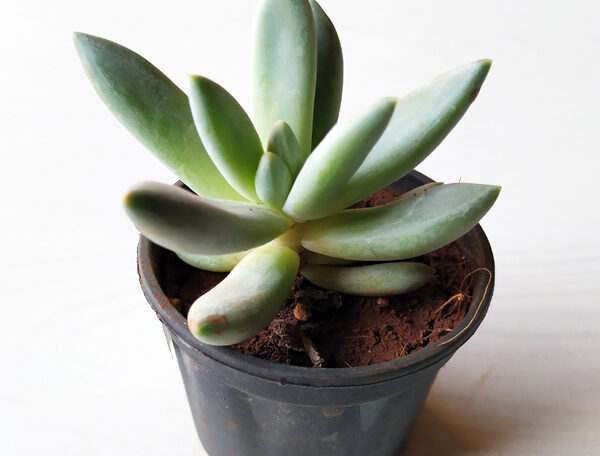
Pachyveria Bea
Description for Pachyveria Bea Plant height: 2 - 4 inches Plant spread: 2 - 4 inches Pachyveria Bea is an intergeneric cross between Pachyphytum and Echeveria, with rolled pointed foliage of the former and forming the tight rosettes of the latter, in a beautiful shade of dusky blue gray, with red and wine tints. Foliage stays under 6" tall. Common name(s): Pachyveria Bea Flower colours: Red- orange Bloom time: Summer Max reachable height: 6 inches Difficulty to grow: Easy to grow Planting and care This plant can be grown from leaf cuttings. Pull a leaf from the main stem, leave it to dry for a day, then place it on the surface of the growing medium. The growing medium should be light and well drained, you can use a mixture of soil, sand and compost. The leaf will form roots and eventually, a small rosette will appear at the base.
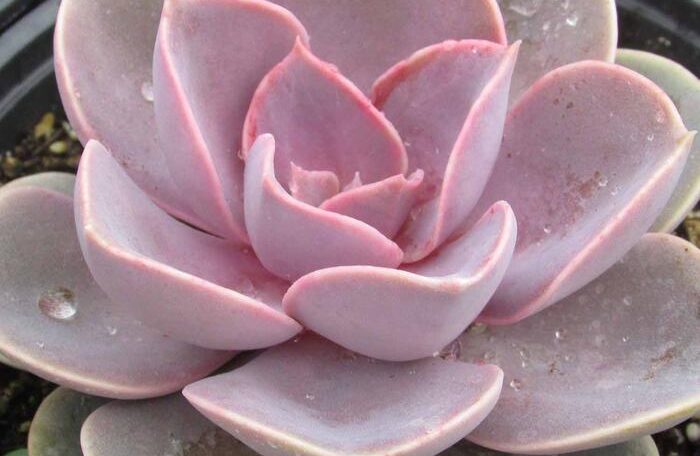
MLS-PL-10648
Description for Echeveria perle von nurnberg Plant height: 3 - 6 inches Plant spread: 3 - 5 inches It has acuminate leaves that are with pink highlights and have a white powdery dusting. The flowers arise on the long stem. This plant can spread up to 0.5 m. Common name(s): Echeveria perle von nurnberg Flower colours: Pink with yellow interior Bloom time: Not defined (Summer mostly) Max reachable height: Up to 8 inches Difficulty to grow: Easy to grow Planting and care Re-pot when the plant performs clump and goes beyond the pot size. It should be done before or after the rainy season and in the spring season. Re-pot with the following proportions: 3 parts of potting soil, 1 part of grit (pumice), 1 part of the horticultural-grade sand, 1/2 part of the compost etc. Sunlight: Full sun, partial sun, at least 4 to 6 hours of sunlight per
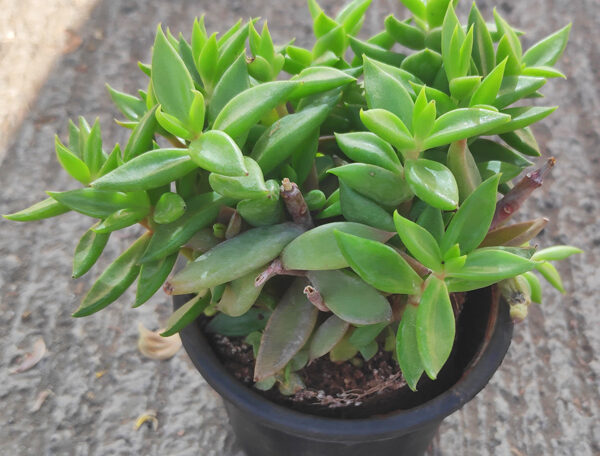
Lenophyllum acutifolium
Description for Echeveria species Plant height: 4 - 7 inches Plant spread: 3 - 5 inches This succulent is evergreen perennial, grow in bushy, and up to 7 inches in height. Thick, fleshy, pointed tip leaves are a smooth and green color. Common name(s): Kiwi Aeonium Flower colours: NA Bloom time: NA Max reachable height: Up to 7 inch Difficulty to grow: Easy to grow Planting and care This Aeonium propagates best by vegetative methods, but they will also grow from seed. Stem cutting propagation is the simplest and most effective means of propagating this Aeonium. Re-pot with the following proportions: 3 parts of potting soil, 1 part of grit (pumice), 1 part of the horticultural-grade sand, 1/2 part of the compost etc. Sunlight: Full sun, partial sun, at least 4 to 6 hours of sunlight per day. Soil: Avoid excess organic contents in the soil. Water: Low for the
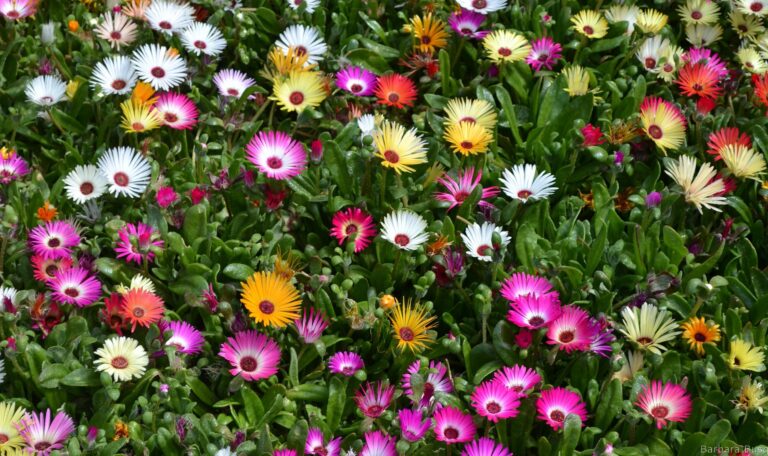
Lampranthus
Description for Lampranthus Plant height: 3 - 6 inches Plant spread: Lampranthus aureus is an unresolved name while Delosperma cooperi is an accepted. Golden Ice Plant is a neatly rounded, erect, succulent plant that grows up to about half a meter tall. The leaves are paired, free or slightly fused at the base, dark green, up to 5 cm long. The plant is liked for its unbelievably bright orange flowers. The shiny orange flowers are borne singly or in clusters on short stalks, are 6 cm in diameter. There are some yellow forms of this plant too. Flowers are followed by a woody fruit capsule that has five compartments. Lampranthus is a genus of succulent plants in the family Aizoaceae, indigenous to southern Africa. Common name(s): Lampranthu, Golden Ice Plant, Orange Ice Plant Flower colours: Glossy red-purple Bloom time: June to September Max reachable height: 0.25 to 0.50 feet Difficulty
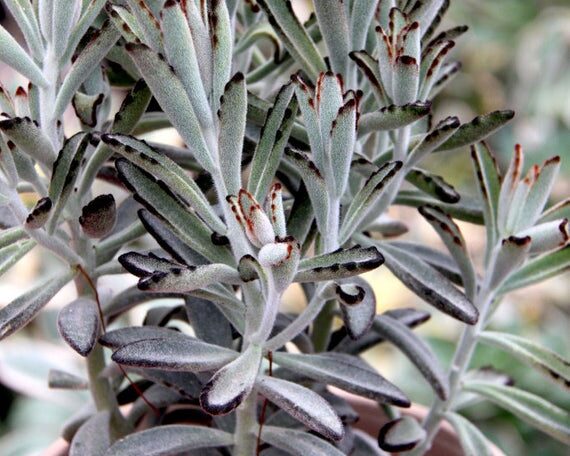
Kalanchoe tomentosa nigra
Description for Kalanchoe tomentosa nigra Plant height: 0.5 - 0.8 inches Plant spread: 2 - 4 inches The leaves are velvety and somewhat olive-green colored. Common name(s): Kalanchoe tomentosa nigra Flower colours: Not defined Bloom time: Not defined Max reachable height: Up to 10 inches Difficulty to grow: Easy to grow Planting and care Re-pot when the plant performs clump and goes beyond the pot size. It should be done before or after the rainy season and in the spring season. Re-pot with the following proportions: 3 parts of potting soil, 1 part of grit (pumice), 1 part of the horticultural-grade sand, 1/2 part of the compost etc. Sunlight: Full sun, partial sun, at least 4 to 6 hours of sunlight per day.

Kalanchoe millotii
Description for Kalanchoe Millotii Plant height: 0.5 - 0.8 inches Plant spread: 2 - 4 inches Kalanchoe millotii is a succulent plant that is native to the arid parts of Madagascar. It forms a shrub up to a foot high. The leaf is a hazy green and scalloped. Branched, hairy shrub; leaves covered with hairs; pink or yellow flowers. The young Kalanchoe millotii resemble a Cotyledon ladismithiensis. Common name(s): Velvet leaf kalanchoe Flower colours: Pink or yellow flowers Bloom time: Summer Max reachable height: 3.00 to 5.00 feet Difficulty to grow: Easy to grow Planting and care Kalanches need lots of light, preferably a south-facing window in winter and bright indirect light (or east/west window) in summer. If your Kalanchoe plant is looking leggy and thin, it probably is not getting enough light.
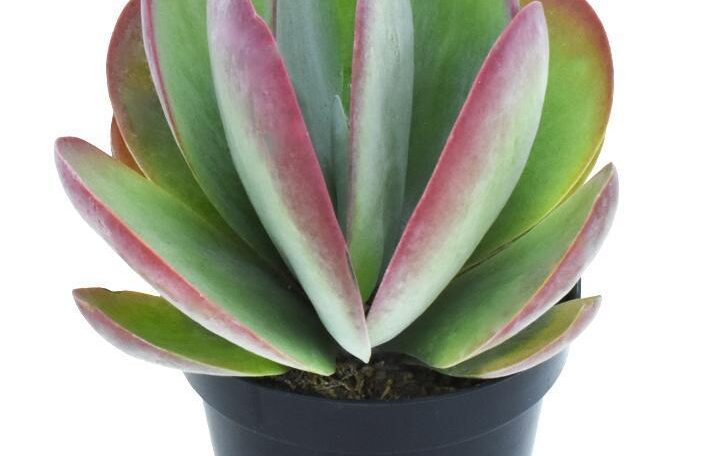
Kalanchoe Flapjack, Poplet
Description for Kalanchoe Flapjack, Poplet Plant height: 0.5 - 0.8 inches Plant spread: 3 - 5 inches Each plant features a basal rosette of large, fleshy, wedge-shaped or paddle-shaped, stalkless, obovate, gray-green leaves which are covered with a white powdery bloom. Rosette leaves are stacked like pancakes (hence the common name of flapjacks), with leaf edges extended upward in order to minimize sun exposure to the leaf surfaces. While usually grown as a house plant, the succulent perennials of the Kalanchoe family can grow outside in regions with warm or mild winters. Some kalanchoe varieties are sold as annuals and discarded after the flowers fade. Dense clusters of tiny fragrant yellow flowers appear in spring on this vigorous, easy to grow ground cover. After blooming is finished enjoy the silvery colored, evergreen leaves. Common name(s): Kalanchoe Flower colours: White to yellow Bloom time: Winter season Max reachable height: Usual height
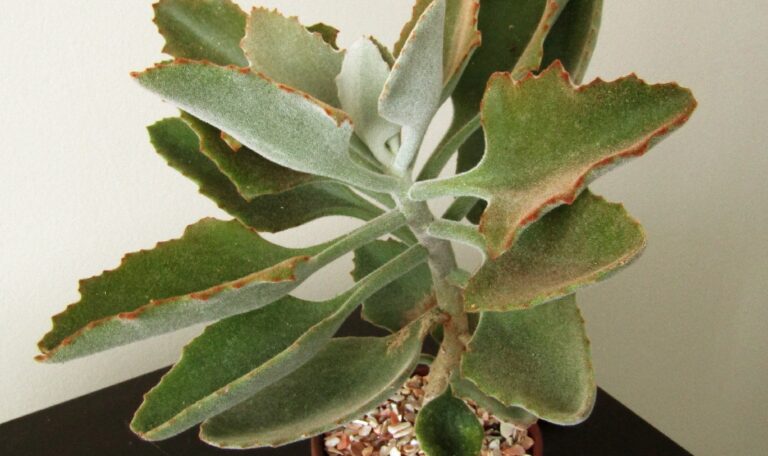
Kalanchoe beharensis roseleaf
Description for Kalanchoe beharensis roseleaf Plant height: 0.5 - 0.8 inches Plant spread: 2 - 4 inches Stout stems have four ranks of triangular, cupped leaves. Common name(s): Kalanchoe roseleaf Flower colours: White Bloom time: Not defined Max reachable height: Up to 10 inches Difficulty to grow: Easy to grow Planting and care Re-pot when the plant performs clump and goes beyond the pot size. It should be done before or after the rainy season and in the spring season. Re-pot with the following proportions: 3 parts of potting soil, 1 part of grit (pumice), 1 part of the horticultural-grade sand, 1/2 part of the compost etc. Sunlight: Full sun, partial sun, at least 4 to 6 hours of sunlight per day. Soil: Avoid excess organic contents in the soil. Water: Low for the rainy season, Moderate for winter, More than moderate for a summer Temperature: Ideal: 22 to 35
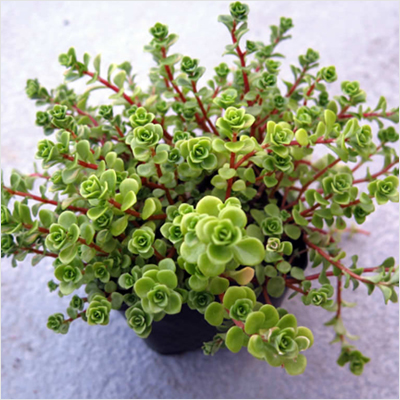
Japanese Golden Ogon Sedum
Description for Japanese Golden Ogon Sedum Plant height: 0.5 - 0.8 inches Plant spread: 3 - 5 inches Sedum is one of the most popular perennials grown in American gardens because it is very easy to grow and hardy in most areas of the country. This broad group of plants offers much for both perennial and rock gardens. Some varieties grow in a mat-like fashion, while others are best used as an upright ornamental specimen. All have thick, fleshy, succulent-like leaves and divide well. Most Bloom August-September (or later). The seed heads of the taller varieties provide excellent winter interest and food for birds. Common name(s): stonecrop Flower colours: yellow-green flowers Bloom time: August Max reachable height: 15 cm - 30 cm Difficulty to grow: easy to grow Planting and care The cultivation of stonecrops is an excellent beginning gardener project. They can grow indoors in sunny warm locations or

Hworthia glabrata
Description for Hworthia Glabrata Plant height: 3 - 6 inches Plant spread: Haworthia are delightful little succulents that form very attractive and singular small houseplants. Generally easy to grow, the same best practices that yield healthy Aloe and Echeveria plants will also produce beautiful Haworthia. Common name(s): - Flower colours: Dark green Bloom time: Early summer Max reachable height: 2 inch to 8 inch Difficulty to grow: Easy to grow Planting and care Growing in a greenhouse will also provide sufficient light… but grown indoors for much of the year can create etiolated, weakened and abnormally green plants. The more light the better, with the exception of full sun for those species that can’t tolerate it, or are unaccustomed to (can sunburn severely, and subsequently rot). Sunlight: Will take various light conditions, but neither direct sunlight or deep shade. Soil: Well-drained soil Water: Once a month, however to get the

Huernia zebrina
Description for Huernia Zebrina Plant height: 0.5 - 0.8 inches Plant spread: 2 - 4 inches Winter hardy to USDA Zones 8 to 12. In St. Louis, it is easily grown as a houseplant. It is noted for its ease of culture and tolerance for wide range of growing conditions. Use a peaty, soil-based potting mix. Best in filtered sun. Common name(s): Life saver plant Flower colours: Pink Bloom time: Seasonal bloomer Max reachable height: 0.50 to 0.75 feet Difficulty to grow: Easy to grow Planting and care Lifesaver plants can be grown as intriguing indoor, greenhouse or summer patio container plants almost anywhere. Species such as Huernia zebrina, H. pillansii, H. keniensis and H. primulina can be grown in outdoor landscapes in warm-winter and Mediterranean climates. Protect outdoor plants from frost and rain during winter and full sun in summer. Plant enthusiasts worldwide grow Huernias because of their interesting

Hoya kerrii, Heart Leaf, Sweetheart Hoya (Variegated)
Description for Hoya kerrii, Heart Leaf, Sweetheart Hoya (Variegated) Plant height: 1.2 - 2.0 inches Plant spread: 2 - 4 inches Hoya kerrii is a climbing plant that can grow up to 4 meters high. Stems have a diameter of 7 mm. The leaves are 6 cm wide, 5 mm thick. Adult plants show inflorescences of 5 cm diameter and up to 25 flowers. They produce small balls of nectar, colored red to brown. It stays unchanged for many months. Then it grows quickly, maybe one meter by year. Common name(s): Lucky-heart, Sweetheart Plant, Sweetheart Hoya, Heart Leaf, Valentine plant Flower colours: White, burgundy/maroon-center Bloom time: Summer Max reachable height: Up to 4 m Difficulty to grow: Easy to grow Planting and care Start planting when the temperature is stable. Use a small pot for one leaf. Re-pot when a plant grows drastically. Take care of roots while planting. Keep
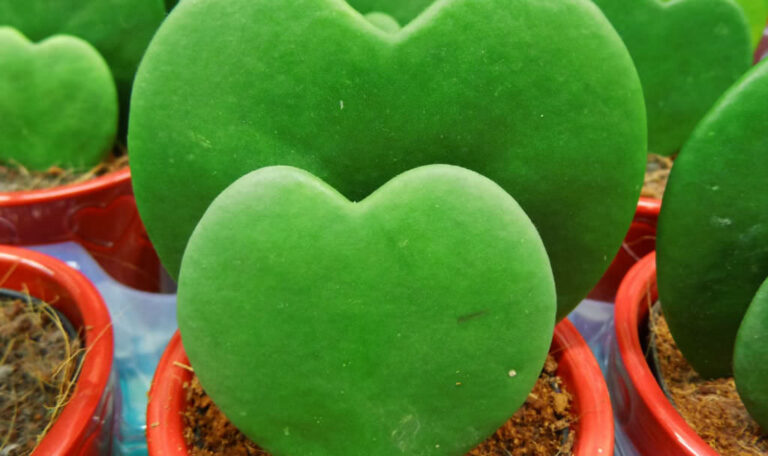
Hoya kerrii, Heart Leaf, Sweetheart Hoya
Description for Hoya kerrii, Heart Leaf, Sweetheart Hoya Plant height: 1.2 - 1.9 inches Plant spread: 2 - 4 inches Hoya kerrii is a climbing plant that can grow up to 4 meters high. Stems have a diameter of 7 mm. The leaves are 6 cm wide, 5 mm thick. Adult plants show inflorescences of 5 cm diameter and up to 25 flowers. They produce small balls of nectar, colored red to brown. It stays unchanged for many months. Then it grows quickly, maybe one meter by year. Common name(s): Lucky-heart, Sweetheart Plant, Sweetheart Hoya, Heart Leaf, Valentine plant Flower colours: White, burgundy/maroon-center Bloom time: Summer Max reachable height: Up to 4 m Difficulty to grow: Easy to grow Planting and care Start planting when the temperature is stable. Use a small pot for one leaf. Re-pot when a plant grows drastically. Take care of roots while planting. Keep a
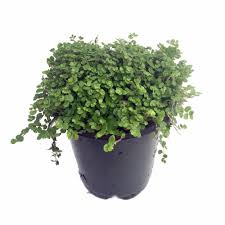
Helxine soleirolii, Baby Tears
Description for Helxine Soleirolii, Baby Tears Plant height: 2 - 4 inches Plant spread: 2 - 4 inches Soleirolia is a wide-creeping evergreen perennial with slender, rooting, pink or green stems bearing tiny rounded leaves and minute pinkish-white flowers in summer Common name(s): Mother of thousands, angels tears, Flower colours: Pinkish-white Bloom time: Summer Max reachable height: Upto 10 cm Difficulty to grow: Easy Planting and care Sunlight: Exposed or Sheltered South-facing or West-facing or East-facing or North-facing Soil: Well-drained, Moist but well-drained Water: Keep soil moist
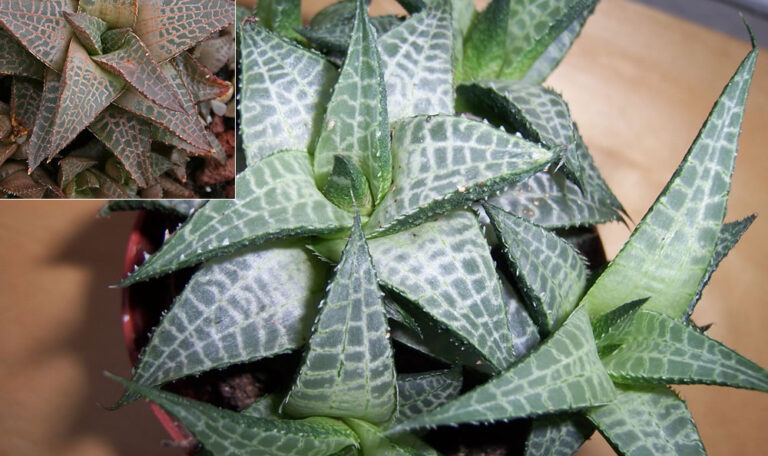
Haworthia venosa, Star Window Haworthia
Description for Haworthia venosa, Star Window Haworthia Plant height: 3 - 6 inches Plant spread: The leaves are wide at the base, fleshy, firm in texture, broadly triangular, strongly recurved, and brownish to green colored. It is up to 4 inches in diameter. Common name(s): Veined Haworthia, Venstertjie Flower colours: White Bloom time: Summer Max reachable height: Up to 17 cm Difficulty to grow: Easy to grow Planting and care Re-pot when the plant performs clump and goes beyond the pot size. It should be done before or after the rainy season and in the spring season. Re-pot with the following proportions: 3 parts of potting soil, 1 part of grit (pumice), 1 part of the horticultural-grade sand, 1/2 part of the compost etc. Sunlight: Full sun, partial sun, at least 4 to 6 hours of sunlight per day.

Haworthia truncata Green Rose
Description for Haworthia truncata Green Rose Plant height: 2 - 5 inches Plant spread: 2 - 4 inches Haworthia Green Rose is a beautiful hybrid with squat lime and marbled chartreuse leaves with semi-transparent windows, lovely frosted with shades of lime green. The rosette has a nice rose shape. Flowers are small and white, forming an inflorescence up to 12 inches (30 cm) tall. Common name(s): Haworthia Green Rose Flower colours: White Bloom time: Spring-Summer. Max reachable height: Up to 10cm. Difficulty to grow: Easy to grow. Planting and care Haworthia can be propagated at repotting time using offsets from the mother plant. When taking offsets, use a sharp knife or snippers and cut as close to the mother stem as possible to including as many roots as possible, then allow the offset to dry briefly before repotting it. Pot the offsets in a small pot, using the same soil
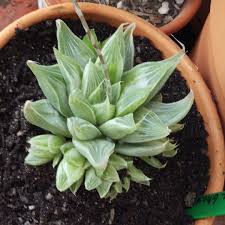
Haworthia retusa, Star Cactus
Description for Haworthia retusa, Star Cactus Plant height: 2 - 5 inches Plant spread: 2 - 4 inches It is a small, rosette forming succulent which is perennial. The leaves are thick, triangular, translucent, and green in color. The species has leaf-top windows, which are shiny. Common name(s): Star Cactus, Window Succulent Flower colours: White Bloom time: Spring to summer Max reachable height: Up to 10 cm Difficulty to grow: Easy to grow Planting and care In cultivation, it can form an offset, and even form clumps. Its natural habitat is lower hills and flat terrain. Re-pot when the plant performs clump and goes beyond the pot size. It should be done before or after the rainy season and in the spring season. Re-pot with the following proportions: 3 parts of potting soil, 1 part of grit (pumice), 1 part of the horticultural-grade sand, 1/2 part of the compost etc.
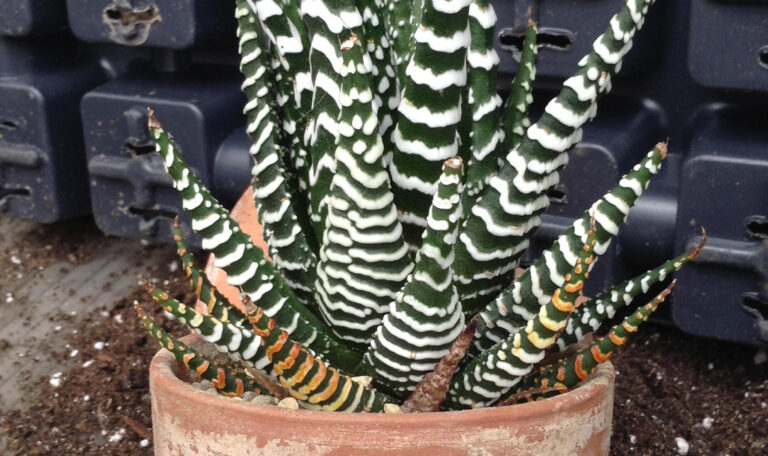

Haworthia limifolia
Description for Haworthia limifolia Plant height: 2 - 5 inches Plant spread: 2 - 4 inches Haworthia limifolia is grooves and ridges on the leaves, but the ridges in this plant are highlighted with a whitish color, making it one of the most ornamental of all the Haworthias. It grows the new offset easily. The white flowers with greenish veins are the bloom on an up to 14 inches (35 cm) tall inflorescence. Common name(s): Fairy Washboard, File Leafed Haworthia Flower colours: White Bloom time: Summer Max reachable height: Up to 40 cm Difficulty to grow: Easy to grow Planting and care It can tolerate frost as well as hot temperature. Re-pot when the plant performs clump and goes beyond the pot size. It should be done before or after the rainy season and in the spring season. Re-pot with the following proportions: 3 parts of potting soil, 1 part

Haworthia cymbiformis,Cathedral Window Haworthia
Description for Haworthia cymbiformis,Cathedral Window Haworthia Plant height: 2 - 5 inches Plant spread: 2 - 4 inches Haworthia cymbiformis is a stemless, evergreen, perennial succulent with mature leaves length up to 5 cm, arranged in rosettes up to8 cm tall and 10 cm in diameter. Leaves are fleshy, turgid, soft, and pale green and obovate shape. On leaves finely toothed margins, dark longitudinal stripes toward the tip and translucent at the tip. White to very pale pink flower with brownish-green veins is the bloom on up to 20 cm long inflorescence. Common name(s): Cathedral Window Haworthia, Window Haworthia Flower colours: Pale pink Bloom time: Not defined Max reachable height: - Difficulty to grow: Easy to grow Planting and care It can tolerate frost as well as hot temperature. Re-pot when the plant performs clump and goes beyond the pot size. It should be done before or after the rainy
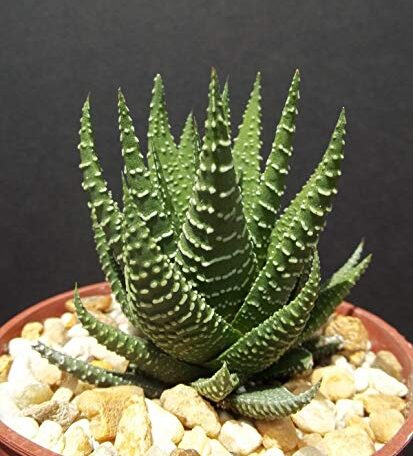
Haworthia attenuata
Description for Haworthia attenuata Plant height: 2 - 5 inches Plant spread: 2 - 4 inches Haworthia attenuata is a stemless clustering perennial succulent and grow up to 15 cm tall. It is an evergreen succulent with short leaves arranged in rosettes up to 12 cm in diameter. The leaves have white tubercles, which occur on both upper and lower sides of its leaves. It is almost stemless. Common name(s): Zebra haworthia Flower colours: White with green patches Bloom time: Not defined (November and December mostly) Max reachable height: Up to 15 cm Difficulty to grow: Easy to grow Planting and care Re-pot when the plant performs clump and goes beyond the pot size. It should be done before or after the rainy season and in the spring season. You can feed them with a diluted liquid fertilizer in the April to September.
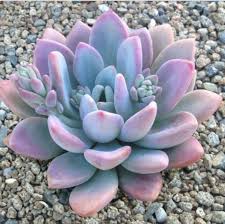
Graptoveria opalina
Description for Graptoveria Opalina Plant height: 0.5 - 0.8 inches Plant spread: 2 - 4 inches Belonging to the Graptovaria genus, Graptoveria has a botanical name of Graptovaria.Graptoveria are hybrids from graptopetalum and echeveria. Most graptoverias are low growing and cultivated for their beautiful shapes and colors.Blooms appear in these approximate colours: Golden and Anti-flash white.Graptoveria grows as a perennial and is a flowering succulent - houseplant. Being a perennial plant, it tends to grow best over several years (approx 3 years and greater). Common name(s): Mexican Snowball, Mexican Gem, Hen and Chicks, White Mexican Rose Flower colours: Golden, Anti-flash white. Bloom time: Seasonal bloomer Max reachable height: 2.00 to 3.00 feet Difficulty to grow: easy to grow Planting and care Peculiar looks aside, they are tough plants. Succulents have the amazing ability to store water in the tissues of their leaves for much longer time frames than other plants.
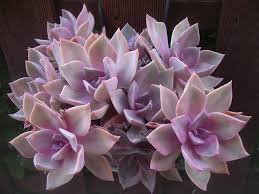
Graptoveria Douglas Huth
Description for Graptoveria Douglas Huth Plant height: 0.5 - 0.8 inches Plant spread: 2 - 4 inches Easily grown in average, evenly moist, well-drained soils in full sun. Plants spread by rhizomes and can spread aggressively in the garden. Plants may self-seed in the garden. Propagate by seed or by division. Common name(s): Chinese Lantern Flower colours: Orange-red Bloom time: July Max reachable height: 1.00 to 2.00 feet Difficulty to grow: Easy to grow Planting and care Graptoveria Douglas Huth cristata A lovely form of Douglas Huth, with pointed pink leaves packed tightly along the crest. Grows to 20cm wide.This is a fantastic Graptoveria with a really nice form and interesting colors. In full sun it turns vibrant pink and in shade, it turns bluish, hence its synonyms Dr. Huth's Pink and Dr. Huth's Blue. Sunlight: Full sun Soil: Well-drained soil Water: Medium Temperature: 28 degrees C Fertilizer: Apply any
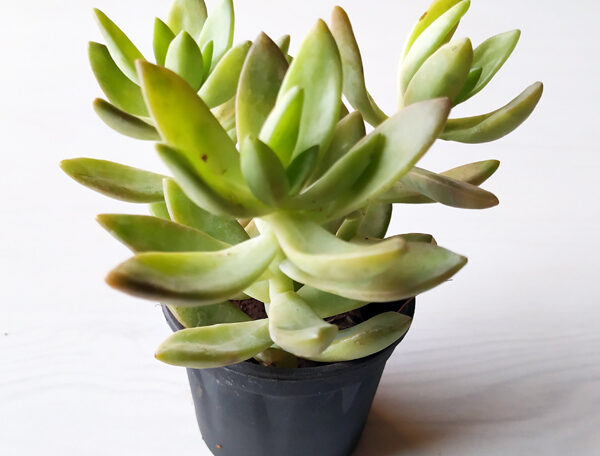
Graptosedum species
Description for Graptosedum species Plant height: 2 - 5 inches Plant spread: 3 - 5 inches It is a hairless, rosette-forming succulent. The rosettes are up to 5 inches (12.5 cm) in diameter and grow at the tips of ever-lengthening, hanging stems, creating a low spreading colony up to 6 inches (15 cm) tall. The leaves are succulent, lanceolate, glaucous and up to 3 inches (7.5 cm) long. Those grown in partial shade tend to be blue-grey. In full sun they are pinkish grey. During the winter the leaves take a brownish-purple tinge. The flowers are star shaped, yellow, up to 0.8 inches (2 cm) in diameter and are borne on stems up to 6 inches (15 cm) long with 2 to 6 branches, each with 3 to 14 flowers Common name(s): Sedum weinbergii, Mother-of-pearl-plant and Ghost plant. Flower colours: Yellow Bloom time: Summer Max reachable height: 6 inches Difficulty

Graptosedum Darley Sunshine
Description for Graptosedum Darley Sunshine Plant height: 2 - 5 inches Plant spread: 3 - 5 inches Graptosedum Darley Sunshine has thick green leaves with red tips that form a rosette. This variety spreads like a sedum with the rosettes growing out on the ends of long stems. Darley Sunshine will tolerate some shade but hold back on the water more than if it was in full sun. Graptosedum has a clump-forming habit and grows to a height of approximately 15cm. They are generally easy to propagate, by seeds, leaf cuttings or offsets. If a leaf breaks off, it is likely to root and start a new plant. It can then produce a new rosette quickly. Common name(s): Graptosedum Darley Sunshine Flower colours: Yellow Bloom time: Summer Max reachable height: 8 inches Difficulty to grow: Easy to grow Planting and care This plant can be grown from leaf cuttings. Pull
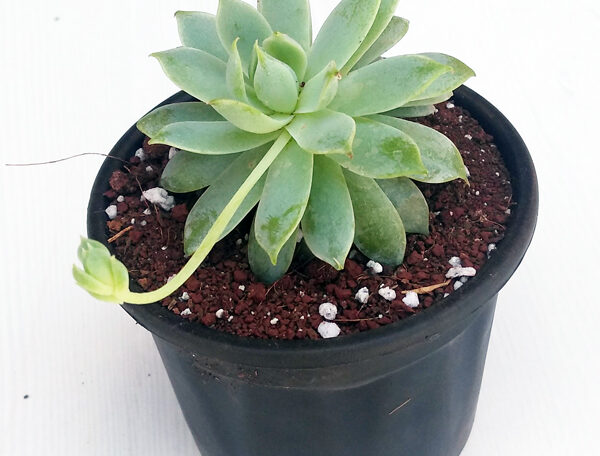
Graptopetalum macdougallii, Laxmi Kamal, Lakshmi Kamal
Description for Graptopetalum macdougallii Plant height: 2 - 4 inches Plant spread: 1 - 3 inches Graptopetalum macdougallii is an attractive succulent plant with leaves arranged in rosettes. Each ground-hugging rosette bears up to 50 leaves and is up to 3 inches in diameter.This gives mature succulents a rangy appearance, which is easy fix by pinching back. The leaves are rounded, tongue-shaped to semi-spathulate, bright bluish to greenish, glaucous, and sharply pointed at the apex. The flower has 5 petals marked with dense red lines. Common name(s): Ghost plant Flower colours: Yellow Bloom time: Spring and Summer Max reachable height: Up to 6 inch Difficulty to grow: Easy to grow Planting and care Container-bound plants thrive in a mixture of peat, sand or other grit, topsoil and a little bit of compost. Full sun is the best situation but they will also grow in partial sun with slightly rangy results.
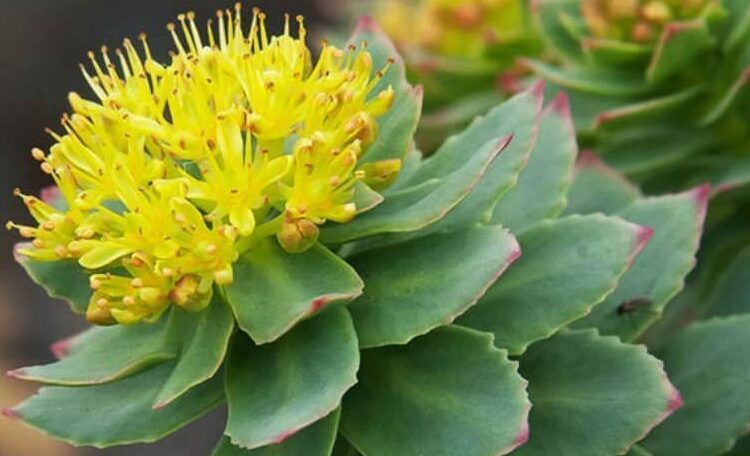
Golden Root, Rhodiola rosea
Description for Golden Root, Rhodiola rosea Plant height: 9 - 15 inches Plant spread: Rhodiola rosea is a succulent herb up to 16 inches tall with several stems growing from a short, scaly rootstock. Flowers have 4 sepals and 4 petals, yellow to greenish-yellow in color sometimes tipped with red and blooming in summer. Several shoots growing from the same thick root may reach up to 14 inches (35 cm) in height. It is dioecious plant having separate female and male plants. Common name(s): Golden Root, Rose Root, Aaron's Rod, Arctic Root, King's Crown, Orpin Rose Flower colours: Yellow Bloom time: May-August Max reachable height: 16 inches Difficulty to grow: Easy to grow Planting and care Rhodiola rosea can easily be propagated from seeds and cutting. Sow seeds on the surface of the soil. Tamp seeds down and cover lightly with soil. Do not bury the seeds deeply, as this
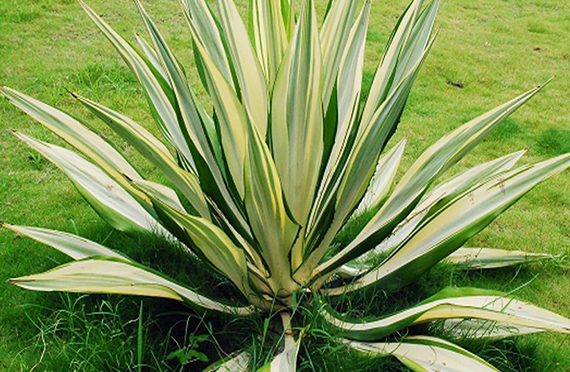
Furkeria
Description for Furkeria Plant height: 5 - 8 inches Plant spread: 9 - 15 inches Furcraea foetida is an evergreen perennial subshrub, stemless or with a short stem up to 1 m tall. The leaves are sword-shaped, 1 to 1.8 m long and 10 to 15 cm broad at their widest point, narrowing to 6 to 7 cm broad at the leaf base, and to a sharp spine tip at the apex; the margins are entire or with a few hooked spines. The flowers are greenish to creamy white, 4 cm long, and strongly scented; they are produced on a large inflorescence up to 7.5 m tall. The plant is cultivated in subtropical and tropical regions for products and as an ornamental plant for gardens. Its leaves are used to produce a natural fiber similar to sisal. Common name(s): furcaria,Furcraea foetida (Giant Cabuya, Green-aloe or Mauritius-hemp) Flower colours: green Bloom
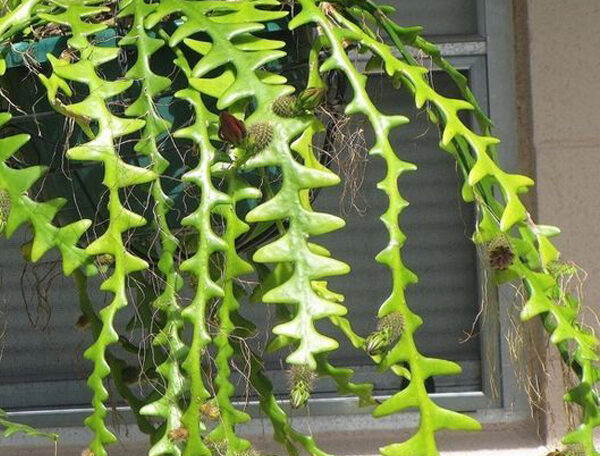
Fishbone Cactus
Description for Fishbone Cactus Plant height: 5 - 9 inches Plant spread: 3 - 5 inches Interesting Fact: Interestingly the leaf pattern of this plant resemble fish skeleton. Fish bone Cactus is an epiphytic cactus with smooth green skin and extensively branched stems. The primary stems are often woody. The lobes are rectangular or slightly rounded. The white or pale yellow flowers bloom nocturnally, exuding a strong, sweet scent. The fruit is thick, ovoid and brownish, greenish or yellowish in color. Common name(s): Fishbone Cactus, Moon Cactus, Zig Zag Cactus, Queen of the Night, Ric Rac Orchid Cactus Flower colours: White, Pale Yellow Bloom time: Summer Max reachable height: Up to 1.5 m Difficulty to grow: Easy to grow Planting and care Propagate from cuttings taken in spring or summer. Remove a 5-6 inch long branch and allow it to dry for a day before inserting it. Plant in the
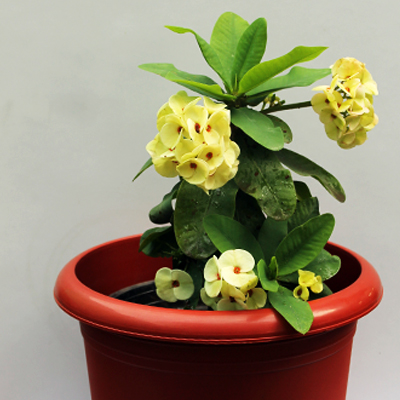
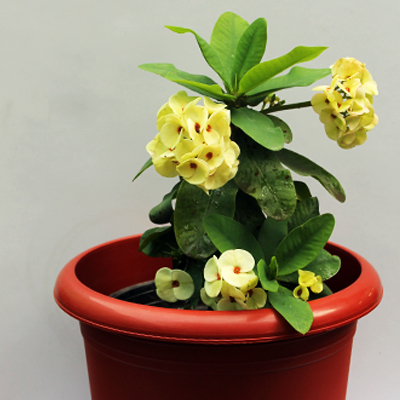
Euphorbia ( Yellow – Red )
Description for Euphorbia ( Yellow - Red ) Plant height: 7 - 11 inches Plant spread: 4 - 8 inches Bright-green leaves grow along its thick, thorny stems. Lower leaves naturally fall off as the plant ages. If your plant gets too tall and leggy, you can prune it back by half its size in spring. This will cause it to branch out. New stems will grow from below where the pruning cuts were made, making this succulent bushy and full. Euphorbia includes annuals, perennial herbs, shrubs and trees that have a corrosive and poisonous milky sap. Many are succulent and can either be thorny or unarmed. The deciduous leaves can either be alternate, opposite or in whorls. All spurges produce unisexual flowers. Its flowers are actually bracts that last for several weeks and are available in bright pink, red, white or yellow. Today's hybrids produce more -- even bigger
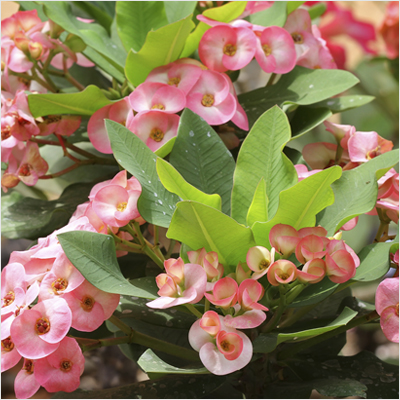
Euphorbia (White – Pink)
Description for Euphorbia (White - Pink) Plant height: 5 - 9 inches Plant spread: 4 - 8 inches Bright-green leaves grow along its thick, thorny stems. Lower leaves naturally fall off as the plant ages. If your plant gets too tall and leggy, you can prune it back by half its size in spring. This will cause it to branch out. New stems will grow from below where the pruning cuts were made, making this succulent bushy and full. Euphorbia includes annuals, perennial herbs, shrubs and trees that have a corrosive and poisonous milky sap. Many are succulent and can either be thorny or unarmed. The deciduous leaves can either be alternate, opposite or in whorls. All spurges produce unisexual flowers. Its flowers are actually bracts that last for several weeks and are available in bright pink, red, white or yellow. Today's hybrids produce more -- even bigger -- flowers
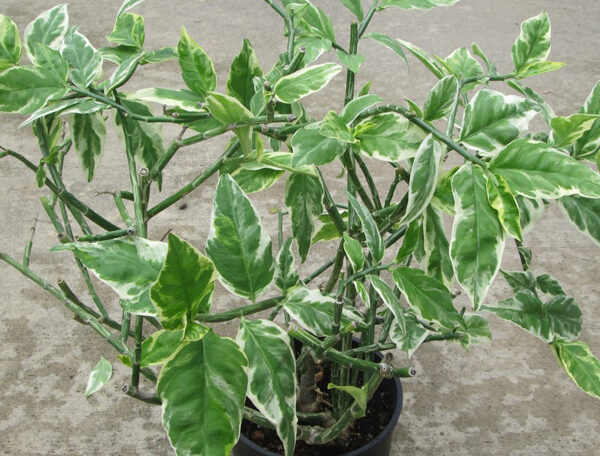
Euphorbia tithymaloides, Pedilanthus (Variegated)
Description for Euphorbia tithymaloides, Pedilanthus (Variegated) Plant height: 5 - 9 inches Plant spread: 4 - 6 inches Euphorbia tithymaloides is a popular, erect, perennial, succulent; grow up to 8 feet tall. The leave is oval, slightly glossy, variegated, medium green and white edged. They flank the zigzag stems to resemble a crooked backbone with ribs. Common name(s): Variegated Devils Backbone, Japanese Poinsettia, Slipper Spurge, Redbird Cactus Flower colours: Red Bloom time: Rarely flowers indoors Max reachable height: Up to 6 feet Difficulty to grow: Easy to grow Planting and care Re-pot when the plant performs clump and goes beyond the pot size. It should be done before or after the rainy season and in the spring season. Re-pot with the following proportions: 3 parts of potting soil, 1 part of grit (pumice), 1 part of the horticultural-grade sand, 1/2 part of the compost etc. Sunlight: Full Sun to Partial
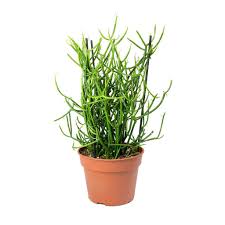
Euphorbia tirucalli, Pencil Tree
Description for Euphorbia Tirucalli, Pencil Tree Plant height: 2 - 5 inches Plant spread: 2 - 4 inches Interesting Fact: The unique pencil-like branches are responsible for getting vernacular name Pencil tree. Euphorbia tirucalli is a succulent, spineless, hardy green shrub, up to 3 m tall. The branches are cylindrical, smooth and glabrous-green, up to 8 mm in diameter, forming brush-like masses. The leaves are small and slender. The flowers are yellow, inconspicuous, and carried in clusters at the apex of the short branches or in the angles of branches. Fruits are tripartite capsules. Common name(s): Firestick Plants, Sticks on Fire, African Milk Bush, Finger Tree, Indian Tree Spurge, Milk Bush, Milk Hedge, Naked Lady, Pencil Tree, Pencil Euphorbia, Pencil Cactus Flower colours: Yellow Bloom time: Almost year-round Max reachable height: Up to 3 m Difficulty to grow: Easy to grow.
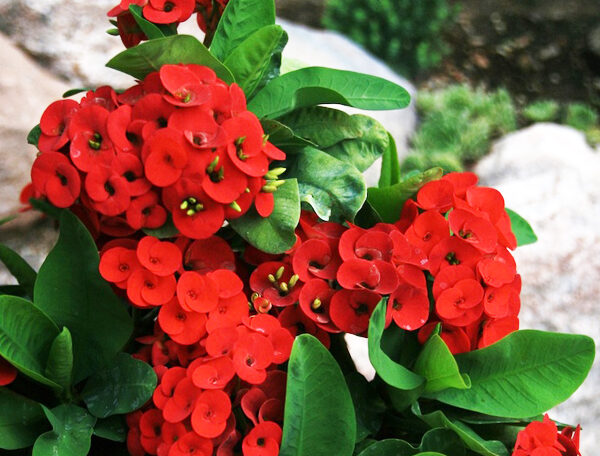
Euphorbia (Red)
Description for Euphorbia (Red) Plant height: 5 - 9 inches Plant spread: 4 - 8 inches Bright-green leaves grow along its thick, thorny stems. Lower leaves naturally fall off as the plant ages. If your plant gets too tall and leggy, you can prune it back by half its size in spring. This will cause it to branch out. New stems will grow from below where the pruning cuts were made, making this succulent bushy and full. Euphorbia includes annuals, perennial herbs, shrubs and trees that have a corrosive and poisonous milky sap. Many are succulent and can either be thorny or unarmed. The deciduous leaves can either be alternate, opposite or in whorls. All spurges produce unisexual flowers.Its flowers are actually bracts that last for several weeks and are available in bright pink, red, white or yellow. Today's hybrids produce more -- even bigger -- flowers than ever before.
Euphorbia (Pink – Green)
Description for Euphorbia (Pink - Green) Plant height: 5 - 9 inches Plant spread: 4 - 8 inches Bright-green leaves grow along its thick, thorny stems. Lower leaves naturally fall off as the plant ages. If your plant gets too tall and leggy, you can prune it back by half its size in spring. This will cause it to branch out. New stems will grow from below where the pruning cuts were made, making this succulent bushy and full. Euphorbia includes annuals, perennial herbs, shrubs and trees that have a corrosive and poisonous milky sap. Many are succulent and can either be thorny or unarmed. The deciduous leaves can either be alternate, opposite or in whorls. All spurges produce unisexual flowers. Its flowers are actually bracts that last for several weeks and are available in bright pink, red, white or yellow. Today's hybrids produce more -- even bigger -- flowers
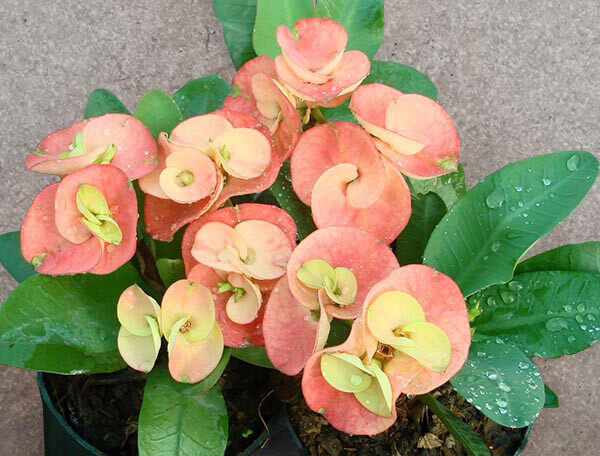
Euphorbia (Peach)
Description for Euphorbia (Peach) Plant height: 7 - 11 inches Plant spread: 4 - 8 inches Bright-green leaves grow along its thick, thorny stems. Lower leaves naturally fall off as the plant ages. If your plant gets too tall and leggy, you can prune it back by half its size in spring. This will cause it to branch out. New stems will grow from below where the pruning cuts were made, making this succulent bushy and full. Euphorbia includes annuals, perennial herbs, shrubs and trees that have a corrosive and poisonous milky sap. Many are succulent and can either be thorny or unarmed. The deciduous leaves can either be alternate, opposite or in whorls. All spurges produce unisexual flowers. Its flowers are actually bracts that last for several weeks and are available in bright pink, red, white or yellow. Today's hybrids produce more -- even bigger -- flowers than ever
Euphorbia milli (Red)
Description for Euphorbia Milli (Red) Plant height: 5 - 9 inches Plant spread: 4 - 8 inches Bright-green leaves grow along its thick, thorny stems. Lower leaves naturally fall off as the plant ages. If your plant gets too tall and leggy, you can prune it back by half its size in spring. This will cause it to branch out. New stems will grow from below where the pruning cuts were made, making this succulent bushy and full. Euphorbia includes annuals, perennial herbs, shrubs and trees that have a corrosive and poisonous milky sap. Many are succulent and can either be thorny or unarmed. The deciduous leaves can either be alternate, opposite or in whorls. All spurges produce unisexual flowers. Its flowers are actually bracts that last for several weeks and are available in bright pink, red, white or yellow. Today's hybrids produce more -- even bigger -- flowers than

Euphorbia (Ivory White)
Description for Euphorbia (Ivory White) Plant height: 7 - 11 inches Plant spread: 4 - 8 inches Bright-green leaves grow along its thick, thorny stems. Lower leaves naturally fall off as the plant ages. If your plant gets too tall and leggy, you can prune it back by half its size in spring. This will cause it to branch out. New stems will grow from below where the pruning cuts were made, making this succulent bushy and full. Euphorbia includes annuals, perennial herbs, shrubs and trees that have a corrosive and poisonous milky sap. Many are succulent and can either be thorny or unarmed. The deciduous leaves can either be alternate, opposite or in whorls. All spurges produce unisexual flowers. Its flowers are actually bracts that last for several weeks and are available in bright pink, red, white or yellow. Today's hybrids produce more -- even bigger -- flowers than

Euphorbia ingens
Description for Euphorbia ingens Plant height: 1.2 - 2.0 inches Plant spread: 1 - 3 inches The Euphorbia ingens, also called the candelabra tree, the cowboy cactus and the good luck cactus, is a spiny, succulent plant that features cactus-like, segmented arms growing from a single trunk, with bright yellow blossoms on the tips of its branches in late spring. A native of the East Indies and Africa, euphorbia adapts well to life as a houseplant, and may be set out in summer and brought inside before the first hint of frost. However, this is an extremely poisonous plant, and the milky latex can cause blisters on skin and even blindness if it touches the eyes. It should only be grown where it is out of reach to both children and pets. Common name(s): candelabra tree, the cowboy cactus and the good luck cactus Flower colours: Green Bloom time: -
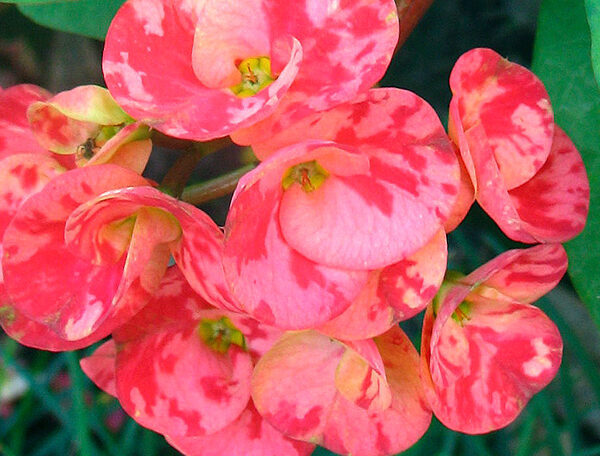
Euphorbia (Any Color)
Description for Euphorbia (Any Color) Plant height: 7 - 11 inches Plant spread: 4 - 8 inches This product does not have the flowers at the time of shipping. Afterward, the plant will bloom and it could be of any colored flower. Bright-green leaves grow along its thick, thorny stems. Lower leaves naturally fall off as the plant ages. If your plant gets too tall and leggy, you can prune it back by half its size in spring. This will cause it to branch out. New stems will grow from below where the pruning cuts were made, making this succulent bushy and full. Euphorbia includes annuals, perennial herbs, shrubs and trees that have a corrosive and poisonous milky sap. Many are succulent and can either be thorny or unarmed. The deciduous leaves can either be alternate, opposite or in whorls. All spurges produce unisexual flowers. Its flowers are actually bracts
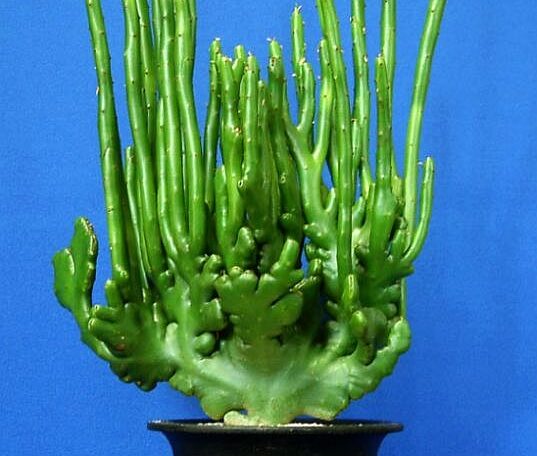
Euphorbia alluaudii
Description for Euphorbia alluaudii Plant height: 0.5 - 1.0 inches Plant spread: 2 - 4 inches Euphorbia alluaudii is the small tree made up of clusters of cylindrical, jointed, spineless branches. Most of its branches rise erectly from the base and then arch outwards to form a mass as wide as tall. Common name(s): Euphorbia alluaudii Flower colours: Green, Yellow Bloom time: Not defined Max reachable height: Not defined Difficulty to grow: Easy to grow Planting and care Re-pot when the plant performs clump and goes beyond the pot size. It should be done before or after the rainy season and in the spring season. Re-pot with the following proportions: 3 parts of potting soil, 1 part of grit (pumice), 1 part of the horticultural-grade sand, 1/2 part of the compost etc. Sunlight: Full sun, partial sun, at least 4 to 6 hours of sunlight per day.
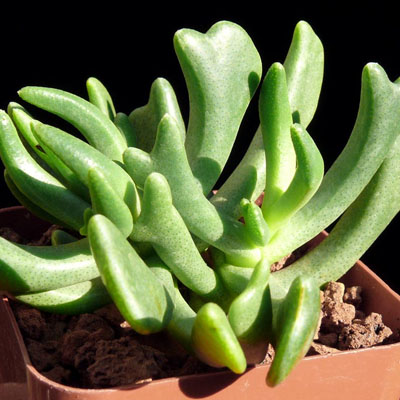
Elkhorn, Rhombophyllum dolabriforme
Description for Elkhorn, Rhombophyllum Dolabriforme Plant height: 1.9 - 3 inches Plant spread: Rhombophyllum dolabriforme is low, succulent semi-shrub richly branching at its tips. Tufted when young the plants slowly grow out into densely branched, up to 12 inches in height at maturity. The leaves grow upright, mid-green to dark green, with translucent dots. The flowers are daisy-like, mostly solitary, golden yellow. The flowers open in the afternoon. It blooms for many months, beginning in mid-spring. Common name(s): Elkhorn Plant, Hatchet Plant Flower colours: Yellow Bloom time: Spring Max reachable height: Up to 12 inch Difficulty to grow: Easy to grow Planting and care Re-pot when the plant performs clump and goes beyond the pot size. It should be done before or after the rainy season and in the spring season. Re-pot with the following proportions: 3 parts of potting soil, 1 part of grit (pumice), 1 part of the
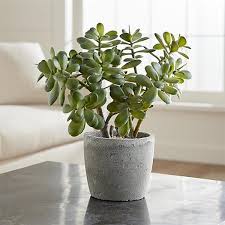
Elephant bush, Portulacaria afra, Jade plant (Green, Small)
Description for Elephant bush, Portulacaria afra, Jade plant (Green, Small) Plant height: 2 - 5 inches Plant spread: 4 - 6 inches The Jade plant is the ultimate symbol of prosperity in China. It s flat round leaves and compact shape makes it the Asian equivalent of a money tree. They survive well in the small shallow containers.Jades are evergreen plants with thick branches and smooth, rounded, fleshy leaves that grow in opposite directions. The silver dollar jade is an attractive succulent plant native to South Africa. The plant produces star-shaped clusters of white or pink flowers during the winter season.Silver dollar jades are hardy to plant year-round outdoors in USDA growing zones 10 through 12 or indoors in a container for colder growing zones. The plant is considered a succulent shrub and will grow up to 10 feet tall. Common name(s): Elephant Bush, Elephant Food,Elephant Plant, Miniature Jade, Dwarf
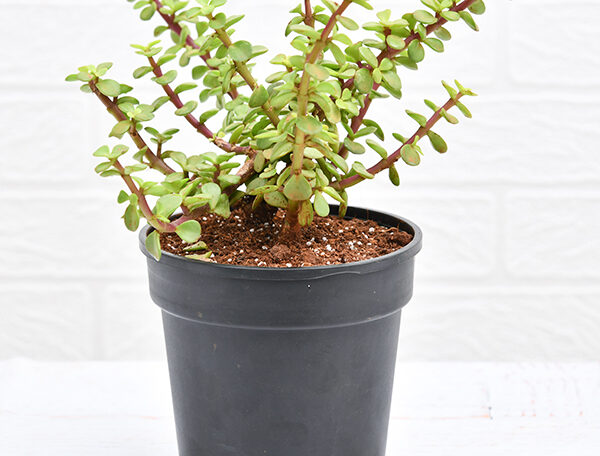
Elephant bush, Portulacaria afra, Jade plant (Green)
Description for Elephant bush, Portulacaria afra, Jade plant (Green) Plant height: 0.7 - 1.2 inches Plant spread: 4 - 6 inches The Jade plant is the ultimate symbol of prosperity in China. It s flat round leaves and compact shape makes it the Asian equivalent of a money tree. They survive well in the small shallow containers.Jades are evergreen plants with thick branches and smooth, rounded, fleshy leaves that grow in opposite directions. The silver dollar jade is an attractive succulent plant native to South Africa. The plant produces star-shaped clusters of white or pink flowers during the winter season.Silver dollar jades are hardy to plant year-round outdoors in USDA growing zones 10 through 12 or indoors in a container for colder growing zones. The plant is considered a succulent shrub and will grow up to 10 feet tall. Common name(s): Elephant Bush, Elephant Food,Elephant Plant, Miniature Jade, Dwarf Jade,
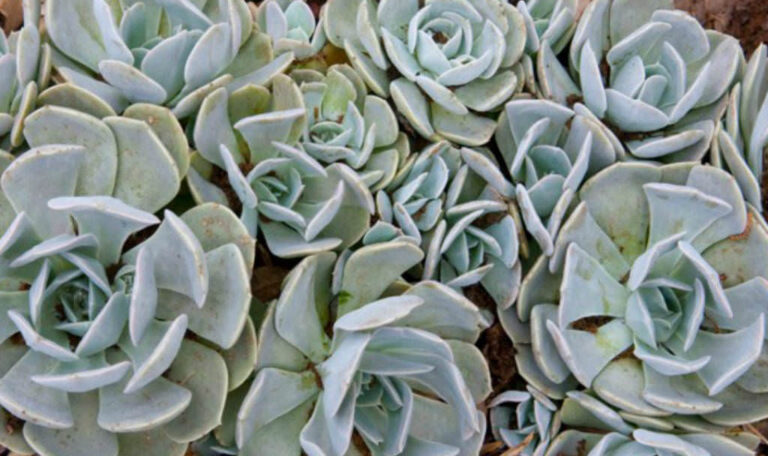
Echeveria runyonii
Description for Echeveria Runyonii Plant height: 5 - 8 inches Plant spread: Plants may be evergreen or deciduous. Flowers on short stalks (cymes) arise from compact rosettes of succulent fleshy, often brightly coloured leaves.Species are polycarpic, meaning that they may flower and set seed many times over the course of their lifetimes. Often numerous offsets are produced, and are commonly known as hen and chicks, which can also refer to other genera, such as Sempervivum, that are significantly different from Echeveria. Common name(s): Mexican Hen and Chicks. Flower colours: Pinkish-white Bloom time: Summer. Max reachable height: 15 to 20 cm Difficulty to grow: Easy to grow Planting and care Growing plants can be inexpensive, particularly when growing them from seed. Seeds of plants flowers should usually be sown directly into the sunny flower bed, as developing roots do not like to be disturbed. Sunlight: Full Sun to Partial Shade Soil:
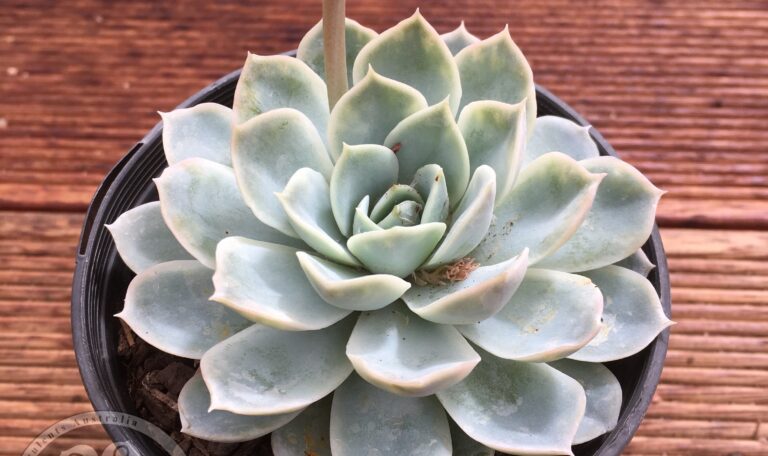
Echeveria elegans Rose
Description for Echeveria Elegance Plant height: 3 - 6 inches Plant spread: 3 - 5 inches Mexican Snowball is a succulent plant which is popular as a potted ornamental plant. It features rosettes of unusual blue-green foliage, which are often densely clustered and may form a small mound. The leaves may have a powdery coating and may develop red tints at the tips and edges. Common name(s): Echeveria Elegance,Mexican Snowball, Mexican Gem, Hen and Chicks, White Mexican Rose. Flower colours: Green Bloom time: summer Max reachable height: Upto 30.5cm Difficulty to grow: easy to grow Planting and care plant have long tap roots which need to stretch out so the plants prefer well-dug, loose, well-draining soil; in preparing a bed, dig down 2 feet in depth and about 3 feet across to ensure the soil isnt too compact. Climate Echeveria and other non-hardy succulents look amazing in patio planters. Echeveria
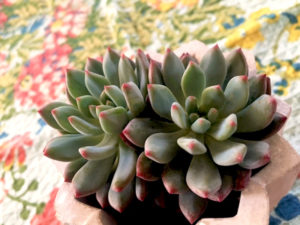
Echeveria blue, Echeveria blue elf
Description for Echeveria blue, Echeveria blue elf Plant height: 3 - 6 inches Plant spread: 3 - 5 inches It shows an upright habit. It looks like Sedum and Echeveria as well. Common name(s): Echeveria blue, Echeveria blue elf Flower colours: Not defined Bloom time: Not defined Max reachable height: Up to 15 cm Difficulty to grow: Easy to grow Planting and care Re-pot when the plant performs clump and goes beyond the pot size. It should be done before or after the rainy season and in the spring season. Re-pot with the following proportions: 3 parts of potting soil, 1 part of grit (pumice), 1 part of the horticultural-grade sand, 1/2 part of the compost etc. Sunlight: Full sun, partial sun, at least 4 to 6 hours of sunlight per day.

Echeveria Black Prince, Vishnu Kamal
Description for Echeveria Black Prince, Lakshmi Kamal Plant height: 2 - 4 inches Plant spread: 3 - 5 inches Striking succulent forms dark, nearly black rosettes. Salmon-red flowers in autumn and winter attract hummingbirds. Dramatic foliage adds wonderful contrast to succulent plantings and rock gardens. Well-suited to containers, both indoors and out. Evergreen. Common name(s): Black Hens and Chicks Flower colours: Red Bloom time: Fall and Winter Max reachable height: Up to 30.5 cm Difficulty to grow: Easy to grow Planting and care The deep planting encourages the developing stem to send out roots to help stabilize the plant and perhaps eliminate the need for stacking. Also, deep planting keeps lily bulbs cool when temperatures soar. Grow this tender succulent under cover, or as a garden perennial in mild dry climates. It is splendid in containers and large-scale rock gardens. Sunlight: Partial to full sun
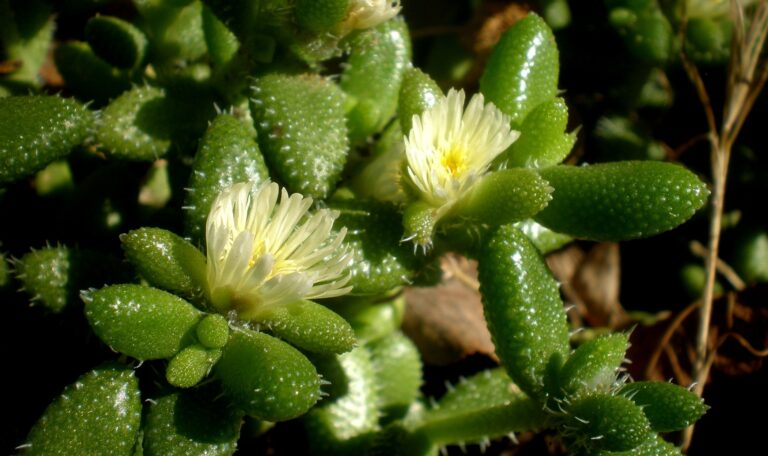
Delosperma pruinosum
Description for Delosperma Pruinosum Plant height: 3 - 6 inches Plant spread: Delosperma echinatum (Pickle Plant) - A low shrubby sprawling succulent shrub, often prostrate but can grow to 12 to 18 inches tall, with thin wiry stems holding pairs of 1 inch long barrel-shaped green leaves that, like the younger stems, bristle with soft spine-like white hairs Common name(s): Delosperma echinatum Flower colours: - Bloom time: Spring/Fall Max reachable height: 1 foot Difficulty to grow: easy to grow Planting and care Ice plant flowers add a bright splash of color to the drier parts of your garden and ice plant care is easy. Sunlight: Full Sun to Partial Shade Soil: well-drained soil Water: Medium Temperature: 0-10° F Fertilizer: Apply any orginic fertilizer
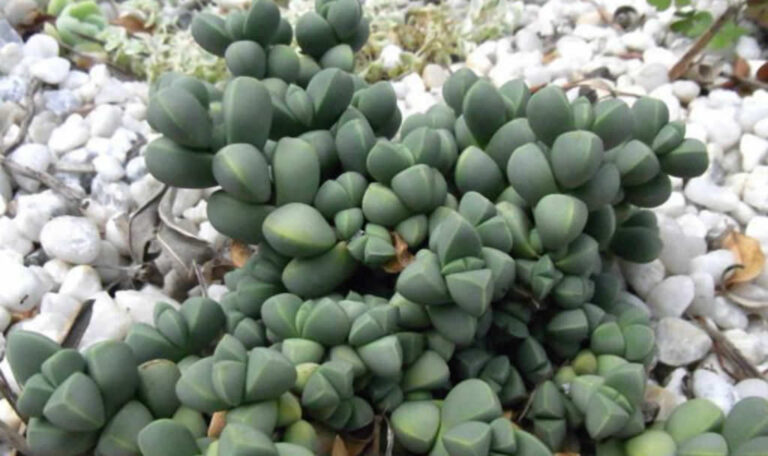
Delosperma lehmannii
Description for Delosperma Lehmannii Plant height: 0.5 - 0.8 inches Plant spread: 2 - 4 inches Looking for a drought tolerant but lovely flower to fill in a troublesome dry area in your garden.You may want to try planting ice plants. Common name(s): - Flower colours: Green Bloom time: June - August Max reachable height: 3 to 6 cm Difficulty to grow: Easy to grow Planting and care Ice plants prefer full sun but can tolerate some light shade in the garden. Because ice plants are succulents, they do not tolerate wet soil, though they do well in poor soils. In fact, wet soil, especially during the winter months, is likely to kill the plants. In areas where the soil stays consistently dry, this plant can become invasive, so it is best to take this into consideration when planting it. The ice plant can be propagated by division, cuttings or
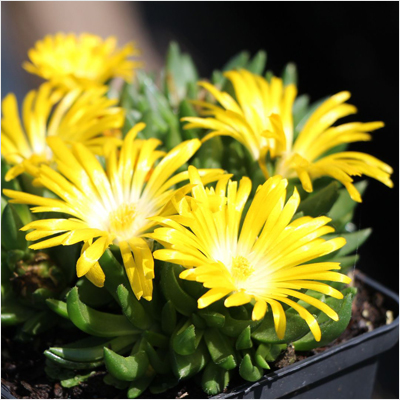
Delosperma congestum
Description for Delosperma Congestum Plant height: 5 - 8 inches Plant spread: The hardy Ice Plants are native to dry areas in South Africa but are amazingly hardy in North America, provided they are grown in very well-drained soil. This species forms a spreading carpet of succulent evergreen leaves, bearing starry yellow flowers for months on end. Leaves turn maroon during winter. Being an alpine species, it appreciates more regular moisture than other South African succulents. Plant Gold Nugget where it receives some afternoon shade, particularly where summer temperatures are hot. A gem for mountain rock gardens. Common name(s): Gold Nugget, Gold Nugget, Ice Plant Flower colours: Yellow Bloom time: Summer, late Spring to Early Fall Max reachable height: 3 inches, 1/2" tall Difficulty to grow: Easy to grow Planting and care Growing plants can be inexpensive, particularly when growing them from seed. Seeds of plants flowers should usually be
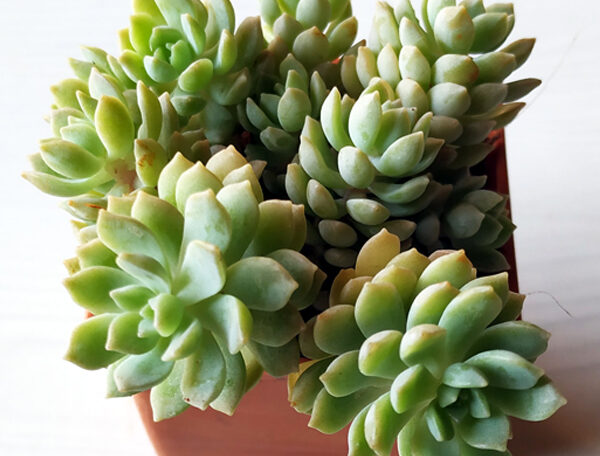
Cupid Peperomia, scandens variegata
Description for Golden Sedum, Sedum adolphii Lime Gold Plant height: 2 - 5 inches Plant spread: 3 - 5 inches It is tender succulent plant upto a height of 8 inches. The leaves are lime green with red-orange flushed tips as they mature. They are more golden in the sun. It blooms in spring with small, star-shaped, yellow-white flower heads produced at the tips. Common name(s): Golden sedum Flower colours: white-yellow Bloom time: Spring Max reachable height: 8 inches Difficulty to grow: Easy to grow. Planting and care null Sunlight: Full sun to partial shade. Soil: Well drained soil. Water: Moderately Temperature: 20-26 degrees C Fertilizer: Apply any organic fertilizer in spring. Caring for Golden Sedum Once established, sedum plants require little care. Check your plants regularly to make sure they are not too dry and water when needed. After flowering, cut back the plants to maintain their shape or
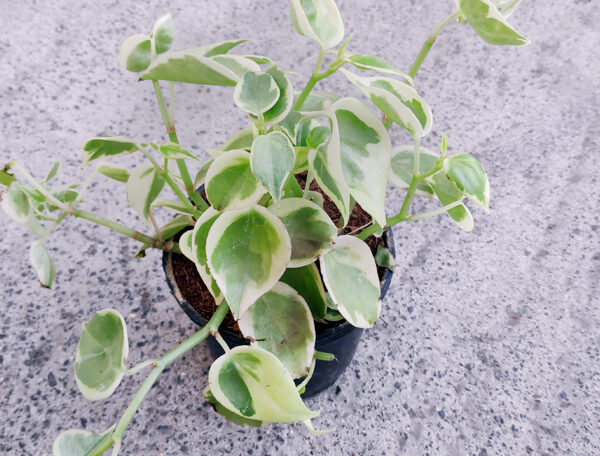

Cupid Peperomia, Peperomia scandens (Green)
Description for Cupid Peperomia, Peperomia scandens (Green) Plant height: 3 - 6 inches Plant spread: 4 - 8 inches Peperomia is a genus of more than 1000 species of small, compact perennial epiphytes growing on rotten wood, in the family Piperaceae. Peperomia is native to tropical America, with a few in Africa. It is also known as Radiator plant, Baby Rubber Plant, Emerald Ripple, or Wax Privet, and grown for its ornamental foliage, and sometimes for their flowers. Peperomia varies considerably in appearance from species to species, from threadlike, trailing stems to thick, fleshy, stout stems. The leaves, 2.5-10 cm long, are smooth and fleshy, oval with leafstalk at or near the center of the leaf blade, or heart-shaped or lance-shaped, with some species have red petioles. The leaves can be solid green or variegated with stripes, marbled or bordered with pale green, red or gray. The inconspicuous, tiny flowers
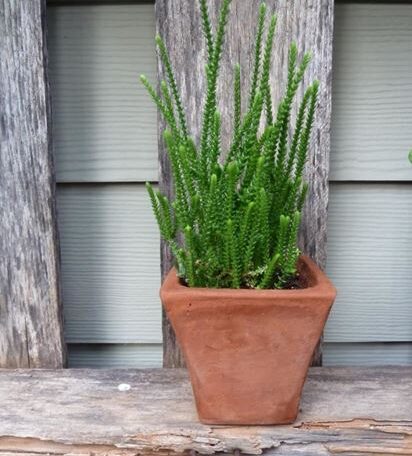
Crassula Princess Pine
Description for Crassula Princess Pine Plant height: 2 - 4 inches Plant spread: 3 - 5 inches Mexican Snowball is a succulent plant which is popular as a potted ornamental plant. It features rosettes of unusual blue-green foliage, which are often densely clustered and may form a small mound. The leaves may have a powdery coating and may develop red tints at the tips and edges. Common name(s): Rattail Crassula,Watch Chain, Lizard's Tail, Zipper Plant and Princess Pine. Flower colours: Yellow-green Bloom time: July-September Max reachable height: 1 to 3 m Difficulty to grow: Easy to grow Planting and care An accurate soil test will tell you where your pH currently stands. Acidic (sour) soil is counteracted by applying finely ground limestone, and alkaline (sweet) soil is treated with ground sulfur.If you order roses from a mail-order company, order early, in January or February (March at the latest). They are

Crassula perforata
Description for Crassula Perforata Plant height: 5 - 8 inches Plant spread: Louis, it is a popular indoor plant that usually grows 18 to 30 tall. As it matures, its trunk-like succulent stems often take on the appearance of a miniature tree. Oblong, fleshy, shiny, evergreen leaves.Leaves may acquire red tints when grown in direct sun. Common name(s): String of Buttons, Necklace Vine, Crassula perfossa, Crassula Flower colours: White to pink Bloom time: Seasonal bloomer Max reachable height: 3 to 6 feet Difficulty to grow: Easy to grow Planting and care Plant where they will receive a minimum of 5 to 6 hours of full sun per day. Plants grown in weak sun may not die at once, but they weaken gradually. Give them plenty of organic matter when planting and don’t crowd them.Wear sturdy gloves to protect your hands from prickly thorns. Sunlight: Part shade Soil: Well-drained soil Water:
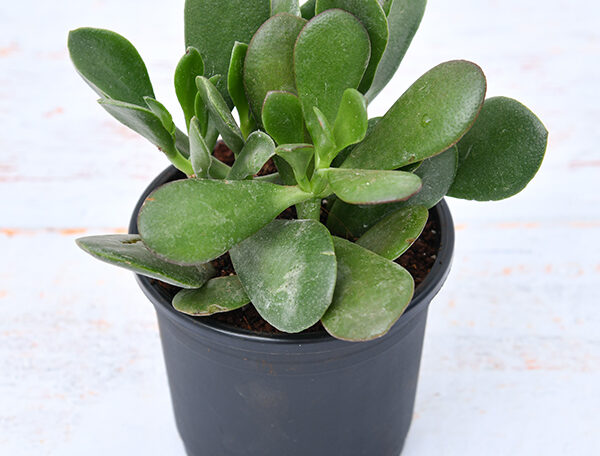
Crassula ovata, Jade Plant (Big leaf)
Description for Crassula ovata, Jade Plant (Small, Big leaf) Plant height: 1.2 - 1.9 inches Plant spread: 3 - 5 inches Crassula ovata commonly known as jade plant belongs to family Crassulaceae. It is an evergreen plant native to South Africa. It has Glossy, dark grey-green, oval, succulent leaves. The stem is stout and gnarled and gives the impression of great age, and its branches are also short and stubby but well-proportioned. Branches are succulent, grey-green in color and in older specimens the bark peels in horizontal brownish strips. The leaves are up to 2 inches (5 cm) long and up to 1.5 inches (3.8 cm) wide, egg-shaped to elliptic, often with a red margin and a somewhat pointed end. Common name(s): Jade plant Flower colours: - Bloom time: Not defined Max reachable height: Upto 3-5 feet Difficulty to grow: Easy Planting and care Crassula ovata flourishes when provided with

Crassula Hobbit
Description for Crassula Hobbit Plant height: 2 - 4 inches Plant spread: 2 - 4 inches A small shrubby succulent to 2 to 3 feet tall with interesting succulent green leaves that are curled back to nearly rounded, often with reddish margins. As with Jade plant this cultivar has pinkish white star-like flowers. Plant in full sun to bright shade in a well-drained soil. Cold hardy to 20 to 25 degrees C and useful as an outdoor ornamental in USDA Zones 9 to 10 and a great house plant or winter protected specimen potted plant elsewhere. Common name(s): Hobbit Jade Plant,Finger jade,Organ Pipe jade Flower colours: Pinkish-white Bloom time: Winter-spring Max reachable height: 1 to 3 feet. Difficulty to grow: Easy to grow Planting and care The most important factors to consider when growing jade houseplants is water, light, temperature, and fertilizer. Easy to grow in container, best in full
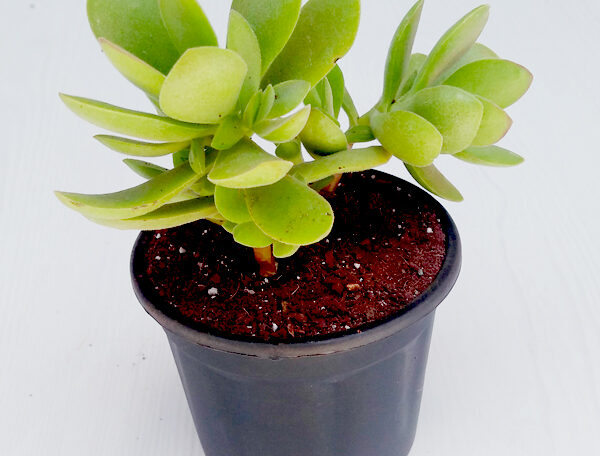
Crassula cultrata
Description for Crassula cultrata Plant height: 2 - 5 inches Plant spread: 3 - 5 inches Crassula cultrata in their natural element will be one of the easiest plants to maintain in your garden. Their dark, glossy green color is a great foil for almost any flower color. The leaves are in opposite pairs, often yellowish green with reddish margins, becoming reddish brown. The inflorescence is an elongated thyrse made up of one terminal and a number of smaller heads inside branches, of many, loosely clustered flowers Succulent plants have become so popular because they offer low maintenance and diverse shapes and textures, both in the garden and indoors. Common name(s): Bush Plakkie, Sharp-leaved Crassula Flower colours: Yellowish-green Bloom time: Spring and Summer Max reachable height: Up to 80 cm Difficulty to grow: Easy to grow Planting and care Crassula is generally started by division, offsets or leaf cuttings. Plants
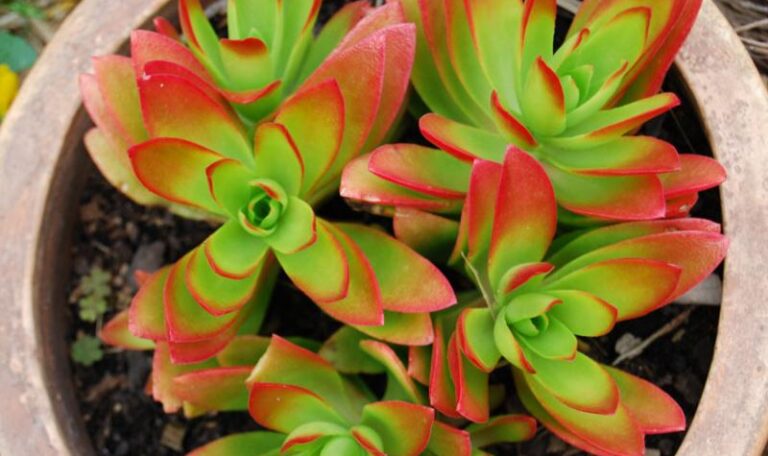
Crassula Campfire
Description for Crassula Campfire Plant height: 2 - 4 inches Plant spread: 2 - 4 inches Crassula capitella or the Campfire Plant is a perennial succulent plant native to southern Africa. Campfire crassula is a branching succulent with fleshy leaves that mature from bright lime green to bright red. Leaves turn bright red if not over-watered and the plant receives direct sun for most of the day, during drought or in cold temperatures1. Great for borders, containers, edging, fillers, ground covers, rock gardens, xeriscaping, and coastal gardens1. This variety typically blooms in the following colours: Green-yellow and Cream. The leaves of this particular variety normally show as Coral red and Android robot green Campfire Plant grows as an evergreen and is a flowering succulent. Being an evergreen plant, it will keep its leaves throughout the year. Campfire Plant is known for its clump-forming habit and growing to a height of
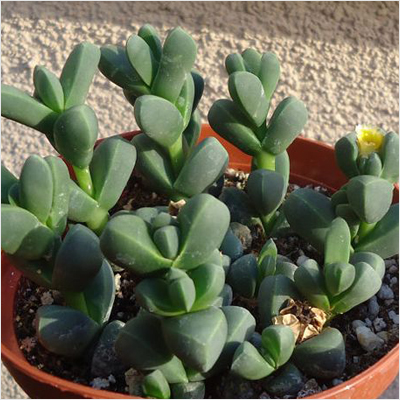
Corpuscularia lehmannii
Description for Corpuscularia Lehmannii Plant height: 0.5 - 0.8 inches Plant spread: 2 - 4 inches Corpuscularia lehmannii grows on quartzite outcrops in karroid vegetation, also in crevices of rocks. The species is threatened by invasive alien species, habitat loss, pollution and habitat degradation. Of the six locations known through herbarium records four are now locally extinct due to urban expansion of Port Elizabeth. Common name(s): Ice Plant Flower colours: Yellow Bloom time: - Max reachable height: 8 in. tall Difficulty to grow: Easy to grow Planting and care The deep planting encourages the developing stem to send out roots to help stabilize the plant and perhaps eliminate the need for staking. Also, deep planting keeps lily bulbs cool when temperatures soar. Sunlight: Full Sun to Partial Shade Soil: Well-drained soil Water: Medium Temperature: about -4 or -5 degrees C Fertilizer: Apply any organic fertilizer Caring for Corpuscularia Lehmannii Maintain
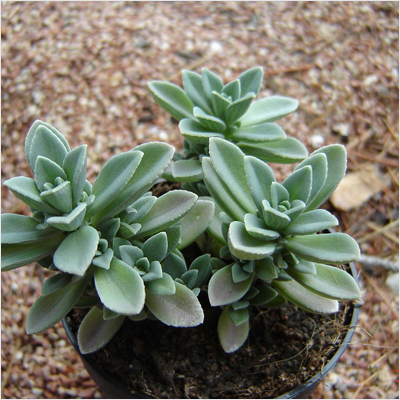
Coleus coerulescens
Description for Coleus Coerulescens Plant height: 2 - 5 inches Plant spread: 2 - 4 inches Easily grown in average, medium, well-drained soil in full sun to part shade. Tolerates wide range of soils except heavy, poorly drained ones. Prefers rich, moist soils with light to moderate shade. Common name(s): Blue spur flower, false boldo, Flower colours: Blue/white, pink/white, red/white Bloom time: April to May Max reachable height: 2 to 2.50 feet Difficulty to grow: Easy to grow Planting and care Coleus has long been considered a shade plant but the best leaf color is achieved with morning sun and some degree of afternoon shade. Many varieties do well in both shade and part-sun. Some can take quite a bit of sun as long as they are not allowed to dry out. Sunlight: Full sun to part shade
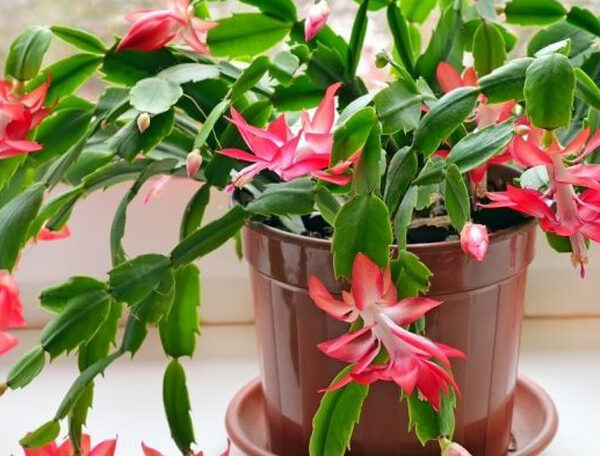
Christmas Cactus, Schlumbergera
Description for Christmas Cactus, Schlumbergera Plant height: 3 - 5 inches Plant spread: 4 - 6 inches The Thanksgiving cactus is also commonly called the holiday or crab cactus. It grows best in light shade. Full sunlight is beneficial in midwinter, but bright sun during the summer months can make plants look pale and yellow. Common name(s): Chrismas Cactus, Schlumbergeras, Christmas cactus, Thanksgiving cactus, Crab cactus, Holiday cactus, False Christmas cactus, Yoke Cacti, Easter Cactus Flower colours: Purple - Pink Bloom time: Mid-November and January Max reachable height: 0.75 to 1 feet Difficulty to grow: Easy to grow Planting and care The Christmas cactus is easily propagated by cutting a short Y-shaped segment from the stem tips. Make certain, however, that the cutting is taken from healthy plant foliage only. Plant the segment approximately a quarter of its length deep in the slightly sandy soil. Moisten evenly and place the
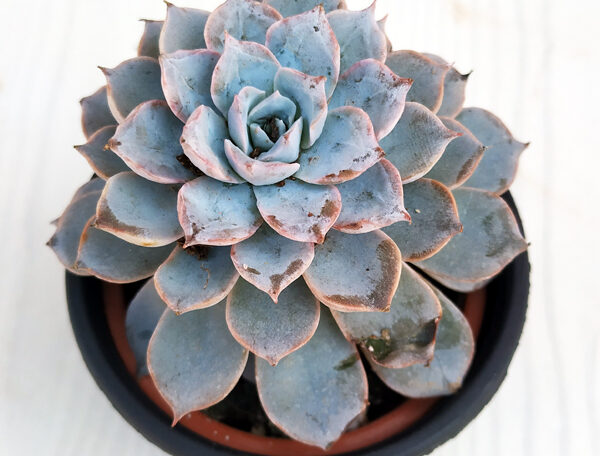
Baby Echeveria, Echeveria derenbergii
Description for Echeveria derenbergii, Lakshmi Kamal Plant height: 2 - 5 inches Plant spread: 3 - 5 inches In bright light Echeveria derenbergii forms small rosettes with fleshy, glaucous light silvery blue leaves with pink tips. It quickly offsets to form clusters. In summer it blooms with short arching racemes of flowers. The inside of the flower is yellow, the outside of the petals are yellow at the base and at the edges, with reddening at the tip and along the keel, which runs down the middle. Plants usually put out several flower stalks simultaneously. This succulent tends to lose bottom leaves on the rosettes in winter. If this happens, the rosette stem can be cut in spring and restarted as a fresh cutting. Common name(s): Painted Lady, and Baby Echeveria Flower colours: Pink, yellow or reddish-orange tips Bloom time: Spring Max reachable height: 4 inch Difficulty to grow: Easy